 Save
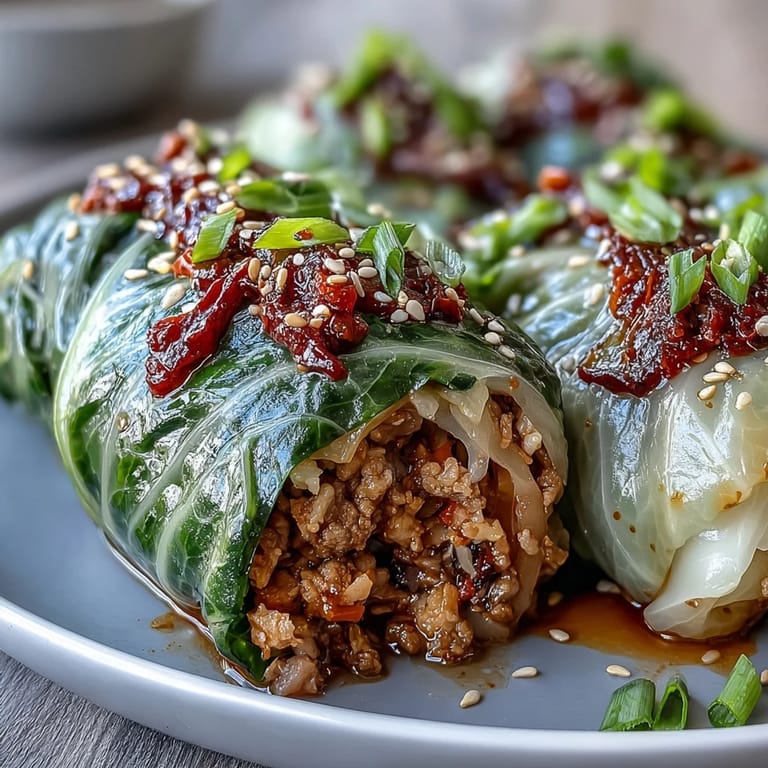
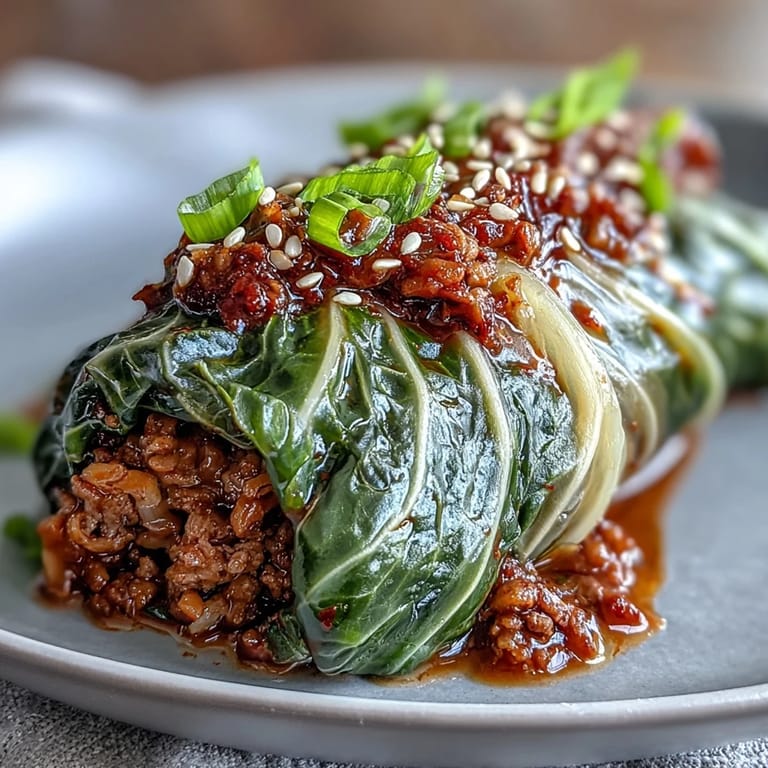
Save The first time the aroma of ginger, sesame, and gochujang mingled in my kitchen, it was from these Korean Cabbage Rolls. I remember the sizzle as I sautéed the filling, the vibrant orange flecks of carrot against rich beef, and the ritual of blanching each Napa cabbage leaf until it turned silky and sweet. There’s a satisfying hush when the rolls are set in the steamer, like the world waits for their transformation, and the anticipation makes every minute count. This isn’t a recipe born from tradition in my family—it's one of those experiments that found its way into my meal rotation after a chilly walk home and a craving for something warming, spicy, and fun to assemble. Even the dipping sauce feels like a little reward for your hands-on effort.
I once prepared these for a small, impromptu dinner with neighbors in the middle of a rainy week. My hands were chilly from chopping the green onions, but the kitchen filled with steam and laughter as we shaped the rolls together and took turns guessing what was inside the sauce.
Ingredients
- Napa cabbage: The delicate, crinkled leaves wrap the filling beautifully—blanch just until bendy, not mushy.
- Ground beef: Choose lean beef so the filling holds together but retains juiciness after steaming.
- Green onions: Their mild bite brightens up the rich flavors; reserve a pinch for garnish if you like.
- Garlic: Finely mince for an even, sweet aroma throughout the rolls.
- Carrot: Adds a subtle crunch and a pop of color to each bite.
- Fresh ginger: Grate it finely for sharp, clean heat in the filling.
- Gochujang: This chili paste is the heartbeat of the dish—start with less if you’re spice-shy.
- Soy sauce: Provides savory depth and a little saltiness to balance the bold flavors.
- Sesame oil: Just a splash adds a nutty, toasty aroma—don’t skip it.
- Sugar: A touch tames the spiciness and rounds out the sauce.
- Black pepper: For gentle heat and complexity.
- Toasted sesame seeds: Bring everything together with their crunch and subtle flavor, sprinkled inside and on top.
- Dipping sauce ingredients (soy sauce, rice vinegar, gochugaru, sesame oil, honey, garlic, sesame seeds): Shake or stir well for the most balanced, tangy-sweet finish.
Tired of Takeout? 🥡
Get 10 meals you can make faster than delivery arrives. Seriously.
One email. No spam. Unsubscribe anytime.
Instructions
- Prep the Cabbage:
- Boil a big pot of water and separate the cabbage leaves, dipping them for just a minute or so until flexible and pale green—then chill under running cold water, and gently pat them dry.
- Make the Filling:
- Toss the beef, green onions, garlic, carrot, ginger, gochujang, soy sauce, sesame oil, sugar, black pepper, and sesame seeds in a large bowl and use your hands to mix—messy, but worth it.
- Fill and Roll:
- Lay each leaf flat, scoop a few tablespoons of filling at the base, fold the sides inward, and roll it tight like a mini burrito.
- Steam the Rolls:
- Arrange them seam-side down in your steamer basket so they stay snug; steam over simmering water until the rolls feel firm and the beef is cooked through—about 15 to 20 minutes.
- Mix the Dipping Sauce:
- While the rolls steam, whisk all sauce ingredients in a bowl so the sticky honey dissolves and the flavors meld.
- Serve:
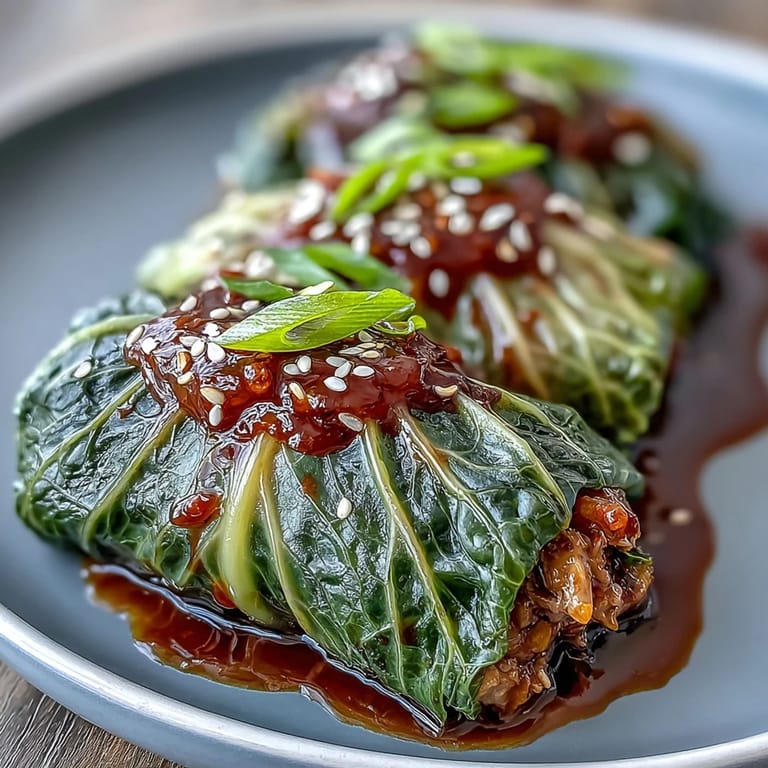
- Plate the rolls hot, sprinkle with extra sesame seeds, and offer the sauce on the side for dunking.
 Save
Save 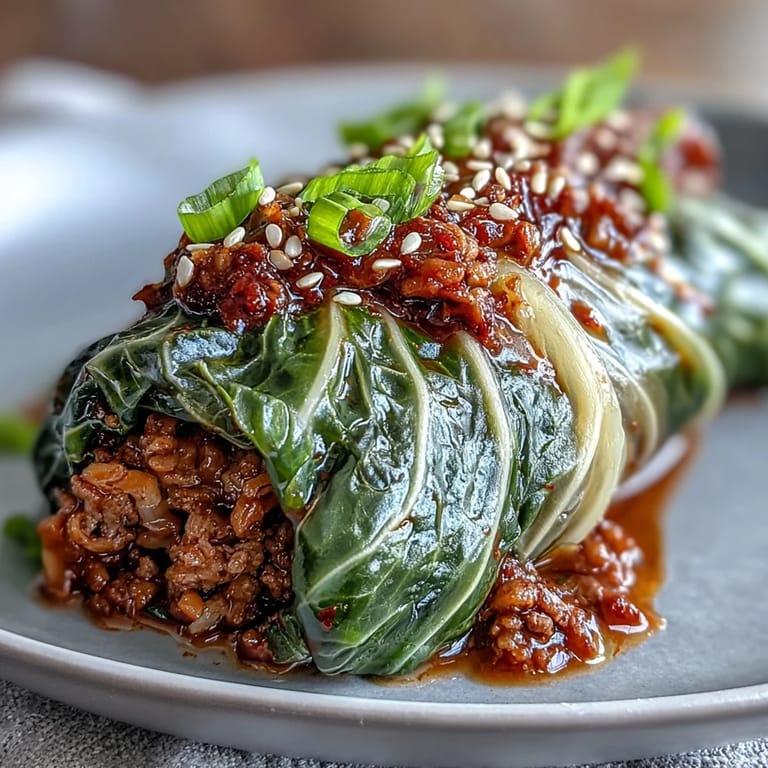 Save
Save Sometime last winter, I remember making an extra batch so I could bring leftovers for lunch, only to discover that the flavors somehow deepened overnight—they made the break room feel like a tiny, spicy sanctuary.
Finding the Right Heat Level
The amount of gochujang and gochugaru makes a real difference—taste the filling before rolling, and tweak for your preferred warmth. Sometimes I make two batches side by side, one gently spiced for friends who prefer mild, and another with an extra spoonful of gochujang for my own fiery mood.
Getting the Rolls Just Right
Practice really does make perfect here—the first cabbage roll might be loose or lopsided, but by the fourth or fifth, you’ll find the trick is in folding the sides firmly before rolling up. If a leaf rips, just tuck it under another or patch with an extra bit from a spare leaf.
Serving and Leftovers
To serve these rolls with a sense of abundance, I scatter a few more toasted sesame seeds and sliced green onions over the platter for color. If I have any leftovers, I rewarm them gently in the steamer—they’re almost better the next day.
- Always make a little extra dipping sauce—it disappears fast.
- Pairing with rice and kimchi turns this into a full meal.
- Watch out for hidden soy and sesame in store-bought ingredients, especially for allergies.
 Save
Save  Save
Save I hope these cabbage rolls bring a little warmth and spice to your table—they’re as fun to make as they are to eat.
Recipe FAQs
- → How do I make the cabbage leaves pliable?
Bring a large pot of water to a boil, separate the leaves and blanch for 1–2 minutes until flexible. Immediately cool under cold water and pat dry to make folding easier and prevent tearing.
- → Can I swap the beef for another protein?
Yes. Ground pork or turkey are excellent substitutes; adjust cooking time slightly if using a leaner meat and consider adding a touch of oil for moisture.
- → How spicy will the filling be and can I tone it down?
Gochujang and gochugaru provide moderate heat and depth. Reduce the gochujang amount or omit the gochugaru for a milder profile, or add more honey to the dipping sauce to balance heat.
- → What’s the best way to steam the rolls evenly?
Arrange rolls seam-side down in a single layer in a steamer basket over simmering water. Keep the lid closed and steam for 15–20 minutes, checking for beet doneness at the thickest roll center.
- → How long do leftovers keep and how should I reheat them?
Store cooled rolls in an airtight container in the refrigerator for up to 3 days. Reheat gently in a steamer or microwave until warmed through to preserve texture.
- → Any tips for serving and garnishes?
Serve hot with the soy-sesame dipping sauce on the side. Sprinkle toasted sesame seeds and thinly sliced green onions on top, and offer steamed rice and kimchi for a complete meal.