 Save
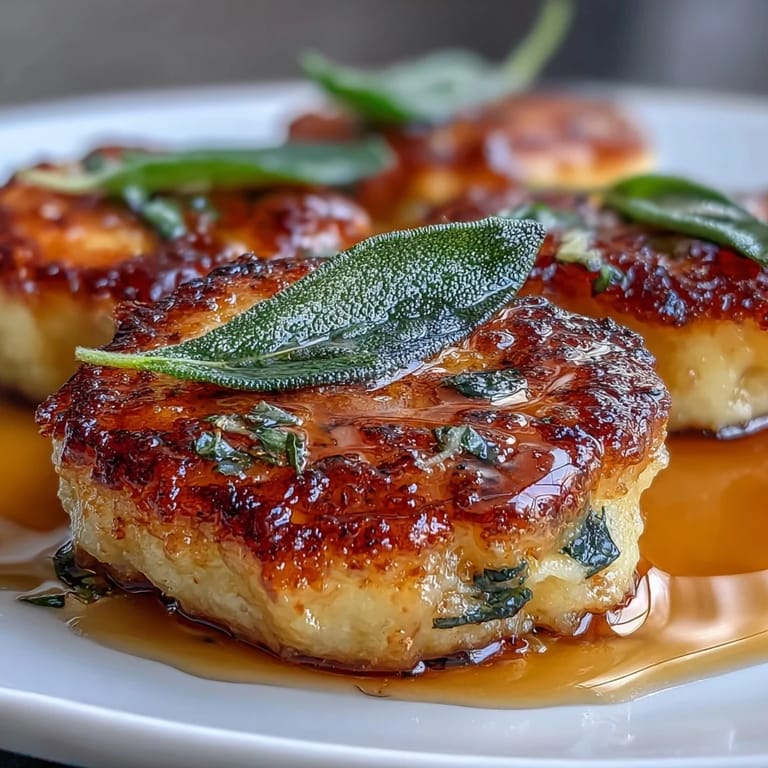
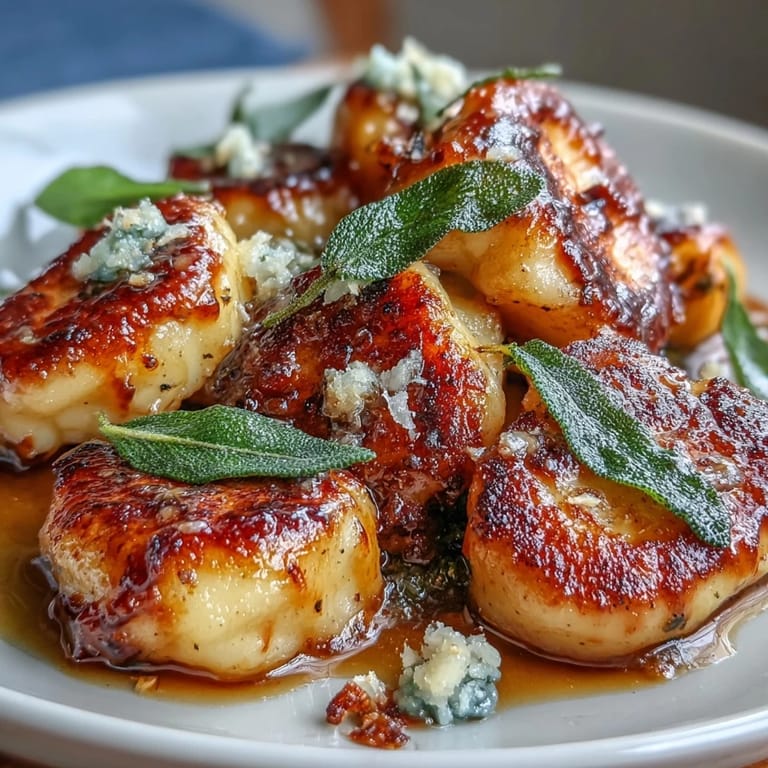
Save When it comes to brown butter sage gnocchi, it all starts with the nose: that unmistakable, toasty aroma signaling something rich and a little special is about to hit the table. Last autumn, I found myself standing in my kitchen, stirring a pot of melting butter while the wind rattled the window. My favorite thing about this dish is how quickly it comes together, and yet, it feels like an occasion—crisping the sage leaves, listening to the butter hum, and watching the gnocchi catch a warm golden gloss. Even after a long day, throwing this recipe together never feels like a chore. There’s a certain magic in the moment the first Parmesan snow falls over the pan.
The first time I cooked this for my roommate, the sound of gnocchi sizzling in the butter made both of us laugh—mostly because we forgot to close the kitchen door and the house still smelled gloriously nutty hours later. We couldn’t help but sneak crispy sage leaves right from the pan, burning our tongues in the process but not even caring. She still talks about that dinner as the start of her obsession with sage. Sharing little moments like that over the stove are why this recipe keeps making a return to my table. Just remember to open a window if you want the smell to stay a treat rather than take over your week.
Ingredients
- Fresh potato gnocchi: Plump store-bought or homemade gnocchi are the star—pat them dry after boiling for the crispiest finish.
- Unsalted butter: Using unsalted gives you more control—watch carefully as it browns for a nutty, toasty flavor.
- Fresh sage leaves: These transform in the pan, turning crispy and fragrant—the more vibrant the leaves, the better.
- Garlic (optional): I like to throw in a clove for whispery sweetness, but it’s not essential if you want pure sage goodness.
- Salt and black pepper: Season boldly, but taste as you go—salt brings out the butter’s best, and pepper adds just the right bite.
- Grated Parmesan cheese: Choose a good block and grate it fresh; pre-grated will melt, but won’t sing.
- Lemon zest (optional): Brings shine and brightness—zest before juicing and use a light hand.
Tired of Takeout? 🥡
Get 10 meals you can make faster than delivery arrives. Seriously.
One email. No spam. Unsubscribe anytime.
Instructions
- Boil the gnocchi:
- Let the salted water reach a rolling boil, then add the gnocchi—watch for them to bob boldly to the surface after a couple minutes.
- Drain and dry:
- Lift the gnocchi out with a slotted spoon and gently pat them dry with paper towels—drier gnocchi make for crispy sides later.
- Brown the butter and sage:
- Melt butter in a large skillet, swirling as it foams; drop in the sage leaves and let them snap and crisp as the butter deepens in color and smell.
- Add garlic (optional):
- Stir in minced garlic for a hit of warmth, letting it sizzle for just thirty seconds—it should smell sweetly mellow, not burnt.
- Pan-fry the gnocchi:
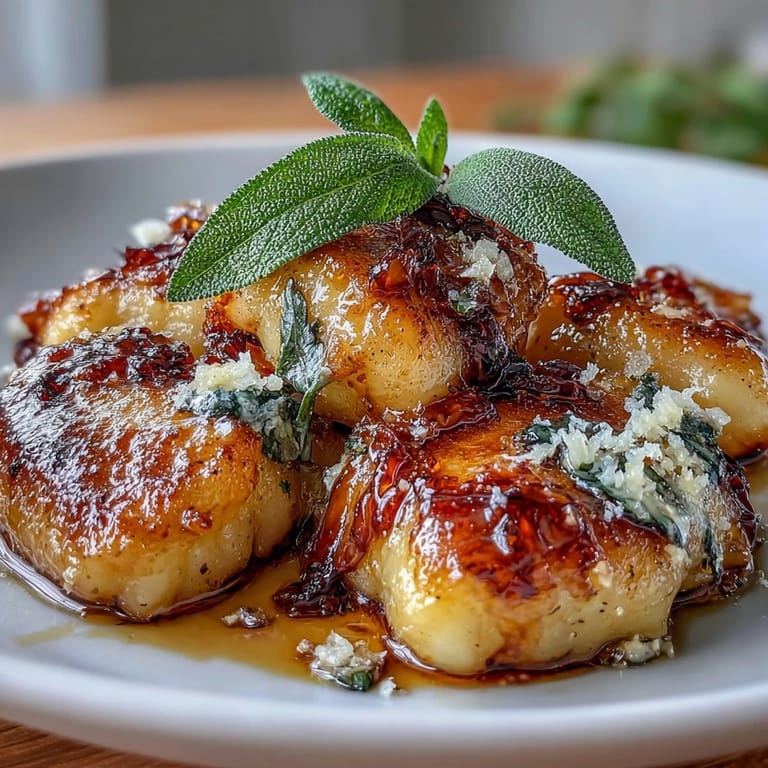
- Scoop in your dried gnocchi—let them sit to form a golden crust, then stir gently for even browning and a whisper of crispness on each side.
- Season and finish:
- Splash in salt and pepper to taste, then tumble in the Parmesan and lemon zest; everything should gloss up and smell irresistible.
- Serve:
- Spoon the gnocchi onto plates hot from the pan, dusting with extra cheese and a scatter of crispy sage leaves for good measure.
 Save
Save  Save
Save Once, at the end of a hectic week, I made this gnocchi with my sister and we ended up eating straight from the skillet at the kitchen counter, savoring every buttery forkful without a word. Something about sharing that golden pan under bright lights turned a plain evening into a little celebration. If a dish can transform a Friday night just by being simple and delicious, I call that a win. Since then, anytime things get busy, we agree brown butter sage gnocchi is the answer. Suddenly, the world feels softer and brighter for a bit.
Bringing Out Maximum Flavor
The secret to this recipe’s depth is in the patience—not just browning the butter, but giving the gnocchi room to caramelize without crowding the pan. Every batch might look slightly different, but trust the sounds and smells more than the clock. Turning the gnocchi too soon means missing out on that golden edge, so resist the urge to stir obsessively. I’ve found lightly shaking the pan now and then helps everything finish evenly. The little crusty bits at the bottom are my favorite to sneak when nobody’s looking.
Choosing and Handling Sage
Fresh sage brings character to this dish, so pick leaves that are lightly fuzzy and vibrant green—they crisp up best and release their aroma into the butter. If your sage is on the wilted side, pat it dry and use it right away, as moisture will make it steam instead of crisp. Once, I grabbed a handful of garden sage only to realize halfway through that a few leaves were too old; they didn’t fry the same, but the scent was still delicious. Don’t stress about perfection—kitchen life is imperfect and forgiving. A big pinch of patience goes a long way when working with fragile herbs.
Serving It Up Like an Italian
For the most pleasant finish, serve the gnocchi straight from the pan onto pre-warmed plates—it keeps the butter loose and the cheese melty. I usually keep extra Parmesan at the table, letting everyone shower on as much as they like. Sharing a bottle of Pinot Grigio or a fizzy water rounds out the meal without fuss. The lemon zest is optional, but I find it brightens up the butter just enough to keep things feeling elegant.
- Warm the plates before serving if you can.
- Have paper towels handy for drying the gnocchi.
- Taste the butter once browned for that perfect level of nuttiness.
 Save
Save 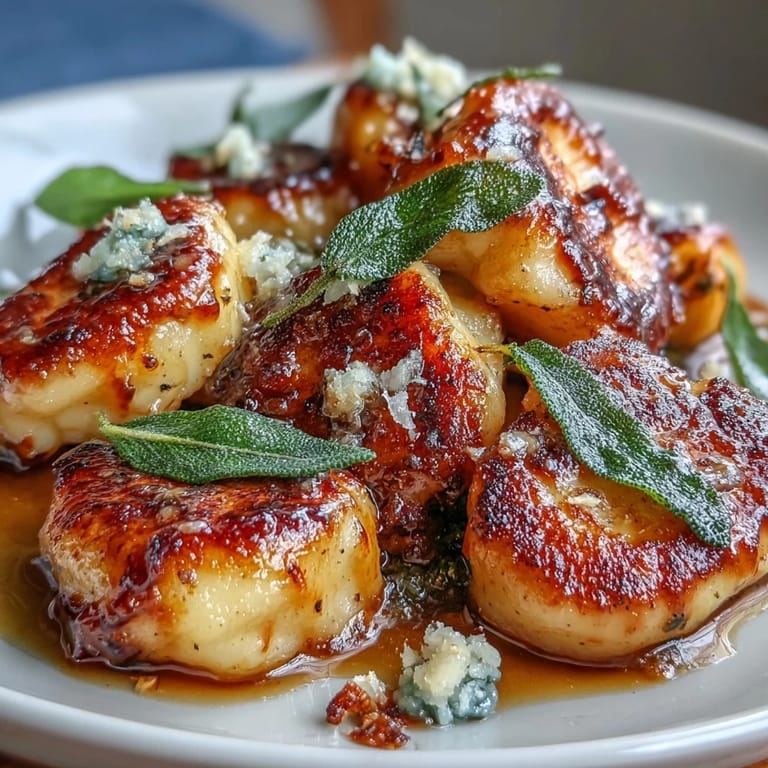 Save
Save I hope every bite brings you a sense of buttery comfort and simple joy. If you spill a little Parmesan along the way, consider it good luck.
Recipe FAQs
- → How do I get the gnocchi crispy?
Drain and pat the gnocchi dry after boiling to remove surface moisture, then sear in a hot skillet with melted butter on medium-high heat, stirring occasionally until golden and slightly crisp.
- → How do I brown butter without burning it?
Use a light-colored skillet so you can watch the color change, keep the heat at medium, swirl the pan frequently, and remove from heat once the butter turns golden and smells nutty; residual heat will continue to darken it slightly.
- → Can I use store-bought gnocchi instead of homemade?
Yes. Store-bought fresh gnocchi works well—cook until they float, dry thoroughly, then pan-fry to develop a golden exterior for the best texture contrast.
- → Any good variations or swaps?
Swap in pumpkin or sweet potato gnocchi for a seasonal twist, use browned butter with toasted walnuts for extra richness, or omit garlic for a cleaner sage-forward profile.
- → How should leftovers be stored and reheated?
Cool completely, store in an airtight container in the fridge for up to 2 days. Reheat gently in a skillet with a touch of butter to restore crispness; avoid microwaving if you want to preserve texture.
- → What wine pairs best with this dish?
A crisp, unoaked white like Pinot Grigio or a light Vermentino complements the nutty butter and bright lemon notes without overpowering the sage.