 Save
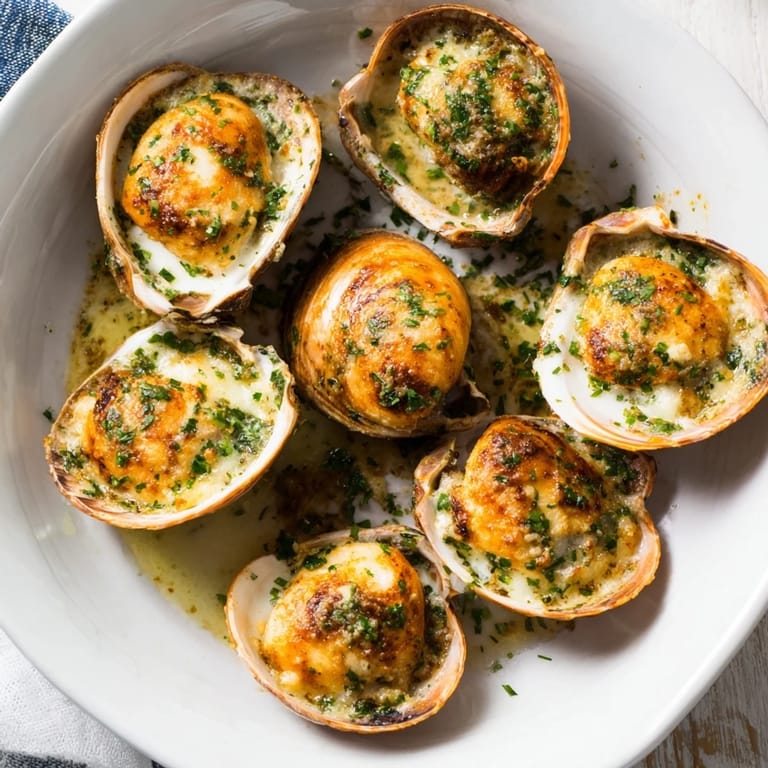
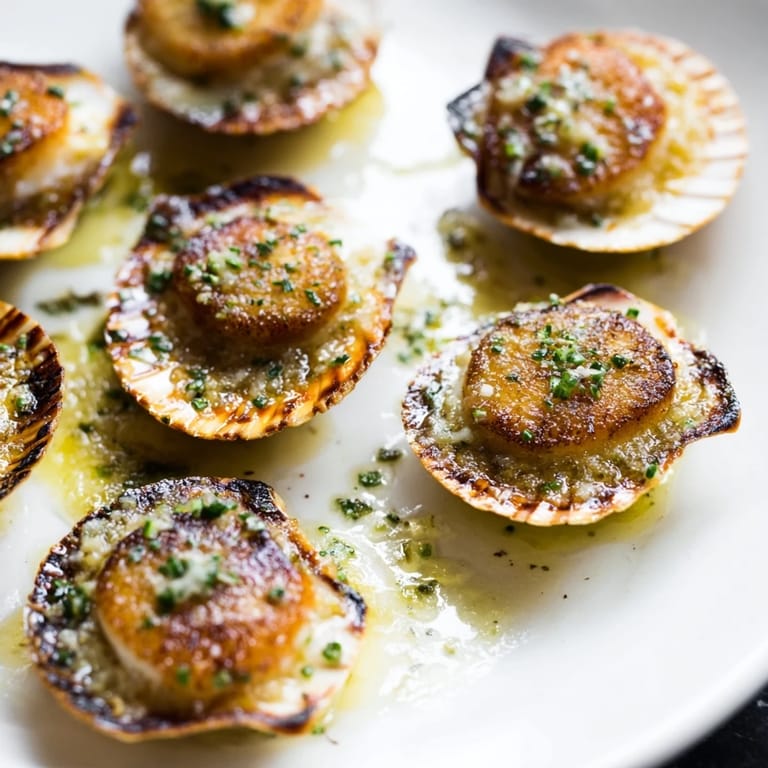
Save I was standing at the fish counter, intimidated by the row of glistening scallops on ice, when the fishmonger caught my eye and said, just don't fidget with them. That advice changed everything. My first attempt at searing scallops had been a rubbery disaster because I kept poking and flipping them, afraid they'd burn. Once I learned to leave them alone and let the heat work its magic, they transformed into these buttery, caramelized gems that tasted like the ocean kissed by fire.
The first time I made these for friends, I was so nervous I almost ordered takeout as backup. But when I plated those golden scallops and drizzled the lemony garlic butter over the top, everyone went quiet for a moment before the compliments started rolling in. One friend even asked if I'd taken a secret cooking class. I just smiled and thought about that fishmonger's advice, realizing that sometimes the best cooking happens when you resist the urge to interfere.
Ingredients
- Sea scallops: Look for dry scallops, which means they haven't been treated with preservatives that add water and prevent browning; they should smell sweet and briny, never fishy.
- Unsalted butter: You'll use this twice, once for searing and again for the sauce, so it's worth splurging on good quality European-style butter for richer flavor.
- Olive oil: Mixing it with butter raises the smoke point so the butter doesn't burn during the high-heat sear.
- Kosher salt and black pepper: Simple seasoning lets the scallops shine; I season generously right before they hit the pan.
- Garlic: Mince it finely so it melts into the butter without burning, creating that fragrant, savory base.
- Fresh parsley: The bright, grassy notes cut through the richness and make the dish feel lighter and more vibrant.
- Lemon zest and juice: A little acidity balances the buttery sweetness and wakes up every bite.
Tired of Takeout? 🥡
Get 10 meals you can make faster than delivery arrives. Seriously.
One email. No spam. Unsubscribe anytime.
Instructions
- Dry and season the scallops:
- Use paper towels to press every bit of moisture off each scallop; any wetness will steam them instead of searing them. Season both sides with salt and pepper just before cooking so the salt doesn't draw out more moisture.
- Heat the pan:
- Let the butter and olive oil get really hot until the surface shimmers and you see wisps of steam. A properly heated pan is the secret to that gorgeous golden crust.
- Sear undisturbed:
- Place each scallop gently in the pan with space between them, then step back and resist touching them for 2 to 3 minutes. You'll know they're ready to flip when they release easily and have a caramel-colored crust.
- Flip and finish:
- Turn them once and let the second side sear for just 1 to 2 minutes until barely opaque in the center. Overcooked scallops turn rubbery, so err on the side of underdone.
- Make the garlic butter:
- Lower the heat, add more butter, and toss in the garlic, stirring constantly for about 30 seconds until it smells amazing but hasn't browned. Stir in parsley, lemon zest, and juice, letting everything meld into a silky sauce.
- Coat and serve:
- Return the scallops to the pan and spoon the garlic butter over them for about a minute. Serve them immediately while they're still warm and glistening.
 Save
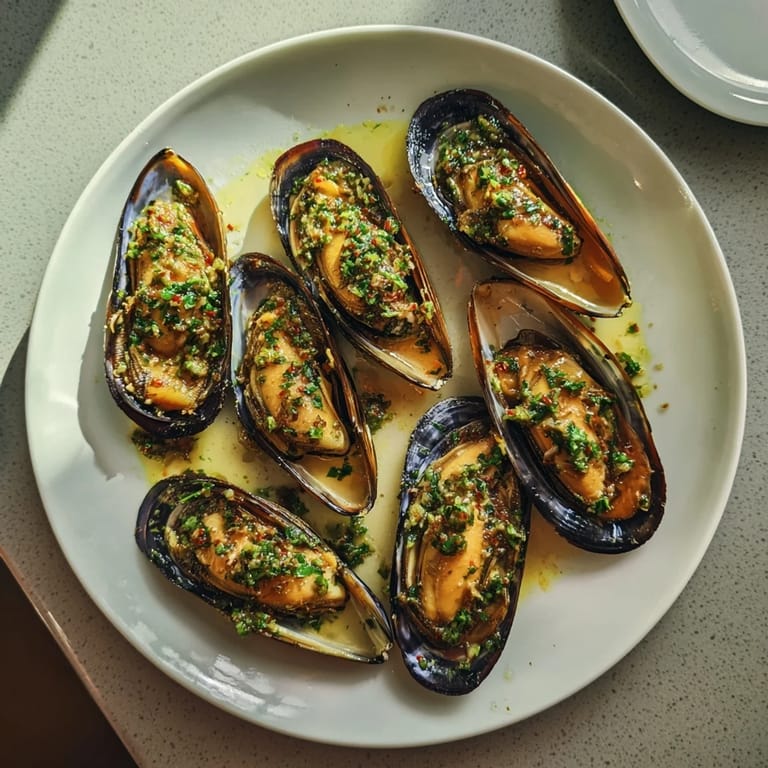
Save I'll never forget the night my partner proposed we skip our reservation and just make scallops at home instead. We stood side by side at the stove, him zesting the lemon while I watched the pan, and when we sat down with our plates and a bottle of cold Sauvignon Blanc, it felt more special than any restaurant could have been. That's the thing about this dish: it turns an ordinary Tuesday into something worth remembering.
What to Serve With Scallops
I love spooning these over creamy risotto or a tangle of buttered pasta so nothing goes to waste. A simple arugula salad with lemon vinaigrette keeps things light, or you can go all in and serve them with roasted asparagus and crusty bread for soaking up every drop of that garlicky butter. Sometimes I just eat them straight from the pan with a glass of wine and call it dinner.
How to Store and Reheat
Honestly, scallops are best eaten right away, but if you have leftovers, store them in an airtight container in the fridge for up to one day. Reheating them gently in a skillet over low heat with a splash of butter works better than the microwave, which tends to make them rubbery. I've also chopped leftover scallops and tossed them into a seafood pasta the next day, and they still tasted wonderful.
Common Mistakes and How to Avoid Them
The biggest mistake is not drying the scallops well enough; even a little moisture will ruin the sear. Another trap is moving them around in the pan, which prevents that crust from forming. And don't forget to pull them off the heat when they're just opaque, because they'll keep cooking from residual heat.
- Use a hot pan and don't overcrowd it, or you'll end up steaming instead of searing.
- Season right before cooking so the salt doesn't draw out moisture and make them soggy.
- Keep an eye on the garlic; it can go from fragrant to bitter in seconds if it burns.
 Save
Save Every time I make these scallops, I'm reminded that elegance doesn't have to be complicated. Just a hot pan, good ingredients, and the patience to let things happen on their own time.
Recipe FAQs
- → How do I get a perfect sear on scallops?
Ensure scallops are completely dry before cooking and avoid overcrowding the pan. Use medium-high heat and sear undisturbed until a golden crust forms.
- → What type of butter is best for the garlic sauce?
Use unsalted butter to control seasoning and prevent burning while sautéing garlic gently to release its aroma without browning.
- → Can I use frozen scallops for this dish?
Fresh or properly thawed scallops work best. Pat frozen scallops dry thoroughly to avoid steaming instead of searing.
- → What sides complement scallops with garlic butter?
Serve with creamy risotto, al dente pasta, or crusty bread to soak up the flavorful garlic butter sauce.
- → How can I add a spicy kick to the scallops?
Incorporate a pinch of red pepper flakes into the garlic butter sauce for a subtle warming heat.