 Save
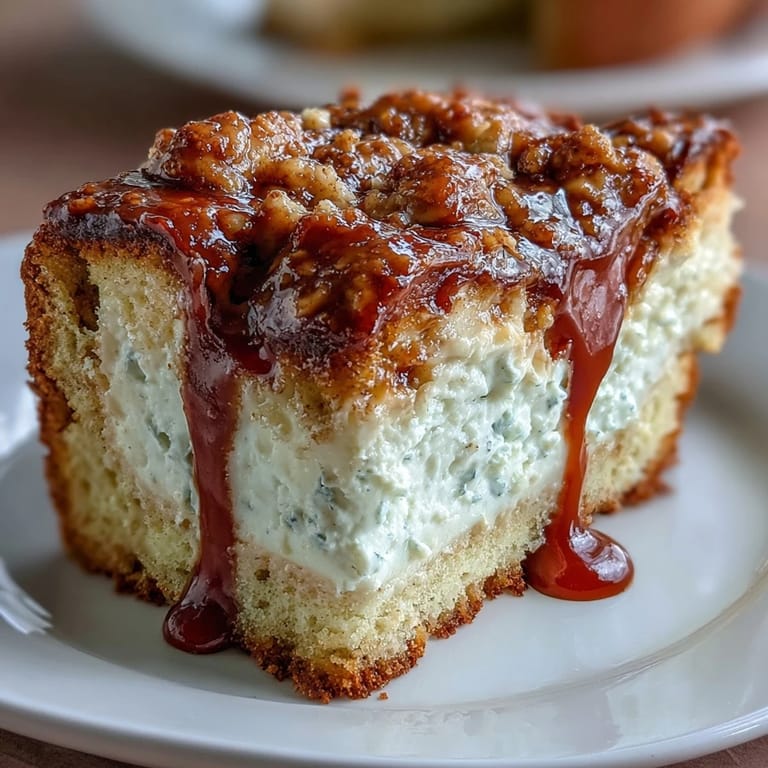
Save My kitchen smelled like a bakery had moved in the moment I pulled these loaves from the oven. The caramel had bubbled up in places, forming little glossy pools that crackled as they cooled. I'd been skeptical about the cream cheese layer at first, wondering if it would just disappear into the batter, but when I sliced into the cooled loaf, there it was: a perfect cheesecake-like ribbon running through the center. My neighbor peeked over the fence later that afternoon, drawn by the scent, and left with half a loaf tucked under her arm.
I made this for a brunch potluck once, and someone asked if I'd ordered it from a bakery. The swirl down the middle had set just right, and the caramel had darkened in spots, giving it that professional look. I didn't correct them right away. It felt good to let the bread speak for itself, golden and generous on the platter, before admitting I'd mixed it all in one bowl that morning.
Ingredients
- Light brown sugar: Adds moisture and a deep molasses warmth that white sugar just can't match, keep it packed when you measure.
- All purpose flour: The backbone of the batter, spoon it into your measuring cup and level it off so the loaves stay tender, not dense.
- Baking powder: This is what gives the bread its rise, check the expiration date or it won't puff up properly.
- Salt: Just a teaspoon balances the sweetness and makes every other flavor come alive.
- Eggs: Two in the batter and one in the filling, they bind everything together and add richness.
- Milk: Whole or 2 percent works best, but I've used almond milk in a pinch and it turned out fine.
- Vegetable oil: Keeps the crumb moist for days, you can swap in melted butter if you want a richer flavor.
- Cream cheese: Softened is key, leave it on the counter for an hour or you'll have lumps in the filling.
- White granulated sugar: Sweetens the cream cheese layer without adding color, so it stays pale and pretty.
- Caramel sauce: Store bought is fine, I like the thick kind that doesn't run too much when you swirl it.
Tired of Takeout? 🥡
Get 10 meals you can make faster than delivery arrives. Seriously.
One email. No spam. Unsubscribe anytime.
Instructions
- Preheat and prep the pans:
- Set your oven to 350 degrees and grease two loaf pans generously, don't skip the corners or you'll be prying out stuck edges later. I use butter or nonstick spray, both work.
- Mix the dry ingredients:
- Whisk the brown sugar, flour, baking powder, and salt in a medium bowl until the sugar breaks up and everything looks even. This step prevents pockets of baking powder in the finished loaf.
- Combine the wet ingredients:
- Beat the eggs, milk, and oil in a large bowl until they're smooth and a little frothy. A stand mixer makes this easy, but a whisk and some elbow grease work just fine.
- Bring the batter together:
- Add the dry mix to the wet ingredients gradually, stirring just until you don't see streaks of flour anymore. Overmixing makes the bread tough, so stop while it still looks a little shaggy.
- Divide the batter:
- Pour half of the batter into the two pans, splitting it as evenly as you can. It doesn't have to be perfect, just close.
- Make the cream cheese filling:
- Beat the softened cream cheese, sugar, and egg in a separate bowl until it's silky and smooth with no lumps. This takes about a minute with a mixer.
- Add the filling:
- Spoon the cream cheese mixture in a thick line down the center of the batter in each pan, like you're drawing a stripe. Don't spread it out, just let it sit there.
- Top with remaining batter:
- Gently spoon the rest of the batter over the cream cheese, nudging it to cover the filling but not mixing it in. It's okay if a little cream cheese peeks through.
- Swirl the caramel:
- Drizzle the caramel sauce in a line over the top of each loaf, then drag a knife through it a few times to make a marbled pattern. Don't overdo it or the swirl will disappear into the batter.
- Bake:
- Slide the pans into the oven and bake for 50 minutes, until the tops are golden and a toothpick comes out mostly clean. A little cream cheese on the toothpick is normal.
- Cool and slice:
- Let the loaves cool in the pans for 10 minutes, then turn them out onto a wire rack to cool completely before you slice. Warm bread is delicious but it crumbles.
 Save
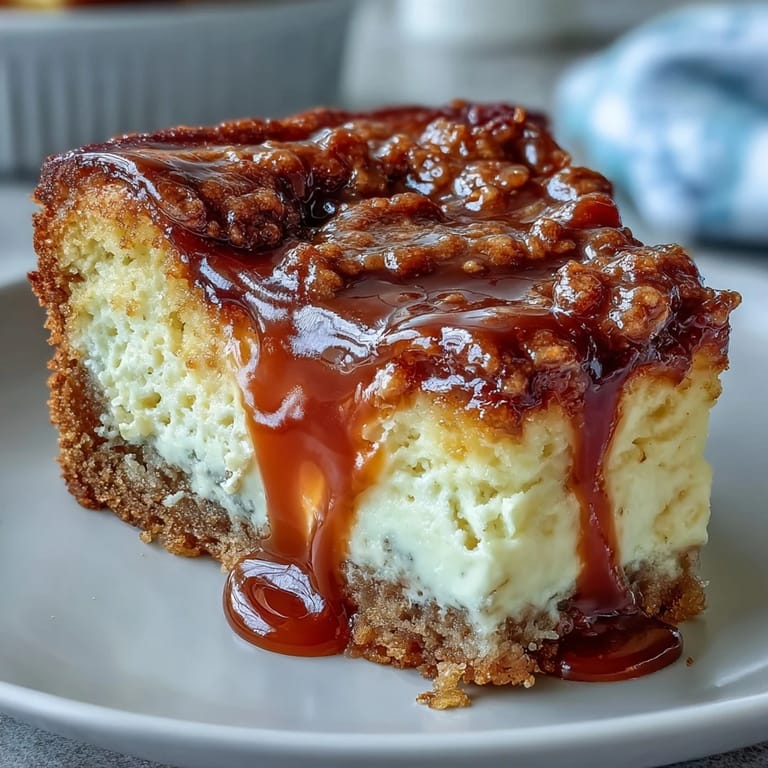
Save The first time I served this, my cousin asked for the recipe before she'd even finished her slice. She said it reminded her of a coffee cake her grandmother used to make, but richer, with that cheesecake surprise in the middle. We sat at the table longer than usual that morning, the plates empty except for a few stray crumbs, the sun slanting through the window and catching the caramel streaks on the serving platter.
How to Store and Reheat
Wrap the cooled loaves tightly in plastic wrap or foil and keep them on the counter for up to three days, they stay moist thanks to the oil and brown sugar. For longer storage, slice the bread and freeze individual pieces in a zip top bag, then toast slices straight from the freezer for a quick breakfast. I've reheated slices in the microwave for 15 seconds and they taste like they just came out of the oven, soft and warm with the cream cheese melting just a little.
Ways to Make It Your Own
I've stirred chopped pecans into the batter before and the crunch was perfect against the soft cream cheese, about half a cup works well. You can also drizzle extra caramel over the cooled loaves or dust them with powdered sugar if you want them to look even prettier. Once I added a handful of chocolate chips to the cream cheese filling and it turned into something closer to dessert, rich and a little indulgent, perfect for an afternoon treat with coffee.
Troubleshooting and Timing
If your loaves sink in the middle, the oven temperature might be too low or the batter was overmixed, check your oven with a thermometer next time. The cream cheese layer should stay in the center, but if it sinks to the bottom, it means the batter was too thin or the filling wasn't thick enough. I've baked this in mini loaf pans for gifts and they only need 40 minutes, keep an eye on them after 35 and test with a toothpick.
- Use room temperature ingredients so everything mixes evenly and bakes at the same rate.
- Don't open the oven door for the first 40 minutes or the loaves might collapse.
- If the tops brown too fast, tent them loosely with foil for the last 10 minutes of baking.
 Save
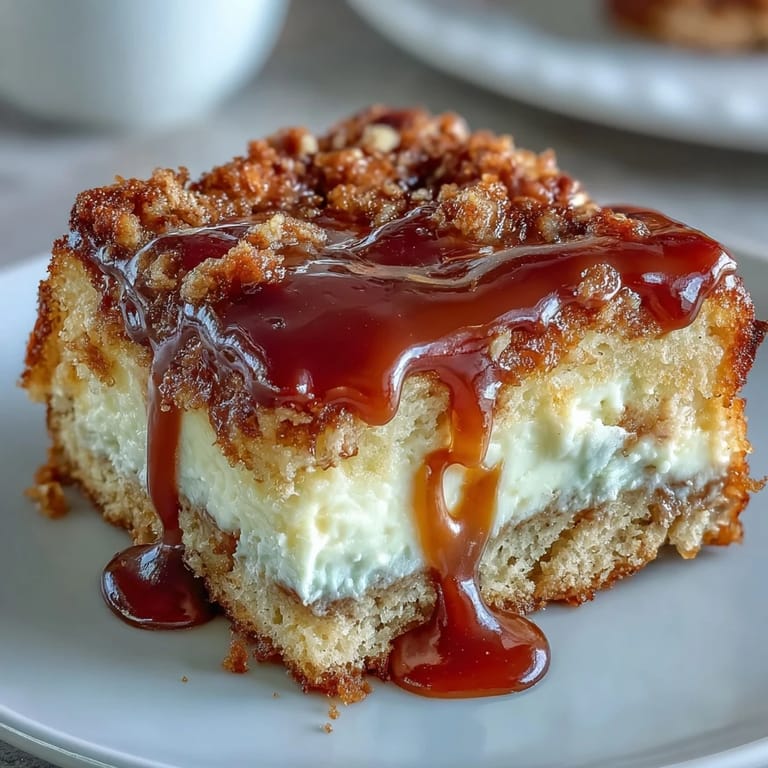
Save This bread has become the thing I make when I want to feel like I've done something special without spending all day in the kitchen. It's the kind of recipe that makes people lean in a little closer, ask questions, and leave with a slice wrapped in foil for later.
Recipe FAQs
- → How do I know when the bread is done baking?
Insert a toothpick into the center of the loaf after 50 minutes. It should come out mostly clean—some cream cheese residue is acceptable and expected due to the moist filling. The edges should be golden brown, and the top should feel set but spring back lightly when touched.
- → Can I make this ahead of time?
Absolutely. The loaves keep well at room temperature for 2-3 days when wrapped tightly in plastic or stored in an airtight container. For longer storage, wrap individually in plastic and foil, then freeze for up to 3 months. Thaw overnight at room temperature before serving.
- → What's the best way to achieve the caramel swirl?
Drizzle the caramel sauce in stripes across the top of the batter, then use a knife to make gentle figure-8 motions through the batter. The key is minimal swirling—just 2-3 passes with the knife. Over-swirling will blend the caramel into the batter rather than creating distinct ribbons.
- → Can I use homemade caramel sauce?
Homemade caramel sauce works beautifully and often delivers deeper flavor than store-bought versions. Ensure your homemade sauce has cooled to room temperature but is still pourable. If it's too thick, warm it slightly for 10-15 seconds in the microwave to achieve the right consistency for swirling.
- → Why did my cream cheese filling sink to the bottom?
This typically happens if the batter is too thin or the cream cheese layer is too thick. To prevent sinking, spread half the batter first, create a shallow trench for the filling, and ensure the cream cheese mixture is at room temperature before spreading. The remaining batter should cover the filling completely before adding the caramel swirl.
- → Can I reduce the sugar in this recipe?
You can reduce the brown sugar in the batter by up to ¼ cup without significantly affecting texture. However, the cream cheese filling requires the full amount of sugar to maintain proper structure and prevent the cheese from becoming too dense. The caramel topping amount is flexible—drizzle less if you prefer a lighter sweetness.