 Save
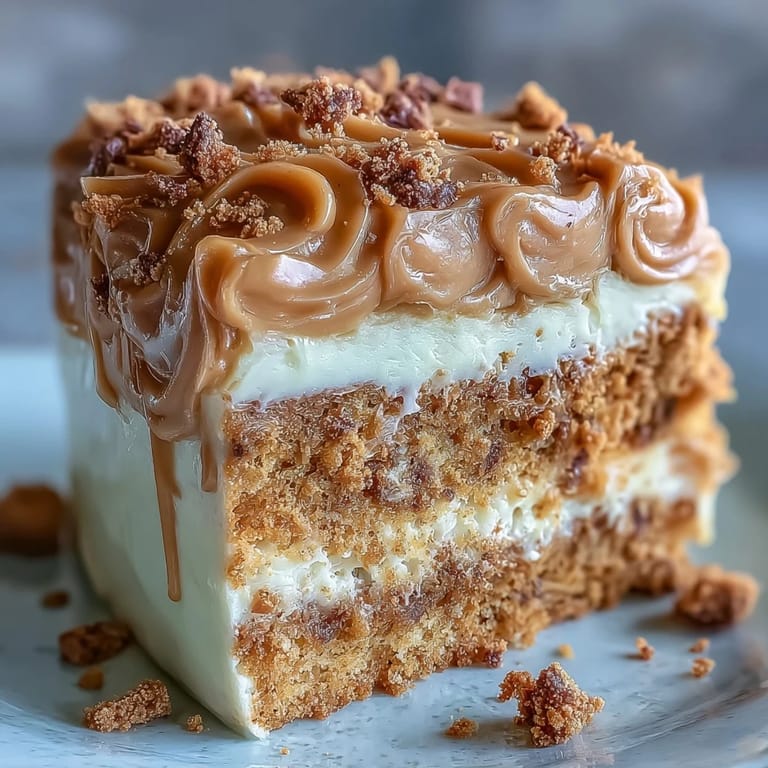
Save My cousin showed up to brunch with a jar of Lotus spread tucked under her arm like contraband, grinning as she announced she'd baked something ridiculous. The cake she sliced was studded with crunchy biscuit bits and slathered in caramel-toned frosting that tasted like spiced cookie butter clouds. I went home that afternoon with the recipe scribbled on a napkin and a new obsession. Within a week, I'd baked it twice, tweaking the crumb and frosting ratio until it felt like mine. Now it's the cake I bake when I want to hear someone say wow before they've even tasted it.
I made this for my friend's birthday last spring, and she admitted halfway through her second slice that she'd never actually tried Biscoff spread before. Watching her face light up at that first bite, nutty and warm and just familiar enough to feel comforting, made me realize how much joy lives in introducing people to a flavor they didn't know they needed. The cake disappeared before we'd even sung happy birthday. She texted me the next day asking for the recipe and a spare jar of spread.
Ingredients
- Biscoff biscuits, crushed: These spiced cookies add texture and flavor directly into the batter, use a food processor or rolling pin to crush them into coarse crumbs, not powder.
- All-purpose flour: The backbone of the sponge, sifting it with the leavening agents ensures an even, tender crumb without dense pockets.
- Baking powder and baking soda: Together they give the cake lift and a soft, airy texture that balances the richness of the butter and spread.
- Unsalted butter, softened: Creaming it with sugar creates air pockets that make the cake light, let it sit at room temperature for at least an hour before you start.
- Granulated sugar: Sweetens the cake without overpowering the warm spice notes from the Biscoff, beat it thoroughly with the butter until pale and fluffy.
- Large eggs: They bind everything together and add moisture, add them one at a time so the batter doesn't split or curdle.
- Vanilla extract: A subtle backdrop that enhances the caramel and spice flavors without competing for attention.
- Whole milk: Keeps the crumb soft and tender, alternate adding it with the dry ingredients to prevent overmixing and toughening the gluten.
- Lotus spread (Biscoff spread): Swirled into the batter and whipped into the frosting, it delivers that signature cookie butter richness in every layer.
- Powdered sugar: Sweetens and stabilizes the frosting, sift it to avoid lumps and create a smooth, pipeable consistency.
- Heavy cream or milk: Loosens the frosting to spreadable perfection, add a tablespoon at a time until you reach your ideal texture.
Tired of Takeout? 🥡
Get 10 meals you can make faster than delivery arrives. Seriously.
One email. No spam. Unsubscribe anytime.
Instructions
- Prep the oven and pan:
- Preheat your oven to 180°C (350°F) and grease a 9-inch round cake pan generously, then dust it with flour or line the bottom with parchment paper. This step prevents sticking and makes turning out the cake painless.
- Combine the dry ingredients:
- Sift the flour, baking powder, baking soda, and salt into a large bowl, whisking gently to distribute the leavening evenly. Set this aside while you work on the wet mixture.
- Cream butter and sugar:
- Beat the softened butter and granulated sugar together with an electric mixer on medium speed for 3 to 5 minutes, scraping down the sides halfway through. The mixture should look pale, fluffy, and almost doubled in volume.
- Add eggs and vanilla:
- Crack in the eggs one at a time, beating well after each addition to keep the emulsion stable. Stir in the vanilla extract until just combined.
- Alternate wet and dry:
- Add the flour mixture in three additions, alternating with the milk in two additions, starting and ending with flour. Mix on low speed just until no streaks remain, overmixing will make the cake dense.
- Fold in Biscoff elements:
- Gently fold in the crushed Biscoff biscuits and Lotus spread using a rubber spatula, working in broad strokes to distribute them without deflating the batter. You should see ribbons of cookie butter and crunchy bits throughout.
- Bake the cake:
- Pour the batter into the prepared pan, smoothing the top with a spatula, and bake for 35 to 40 minutes. A toothpick inserted in the center should come out clean or with just a few moist crumbs.
- Cool completely:
- Let the cake cool in the pan for 10 minutes to set, then turn it out onto a wire rack. Allow it to cool completely before frosting, warm cake will melt the buttercream and create a mess.
- Make the Lotus frosting:
- Beat the softened butter until smooth and creamy, then gradually add the powdered sugar on low speed to avoid a sugar cloud. Beat in the Lotus spread, heavy cream, and a pinch of salt, then whip on medium-high speed for 3 minutes until light and fluffy.
- Frost and decorate:
- Spread or pipe the frosting over the cooled cake, covering the top and sides if you like. Sprinkle with extra crushed Biscoff biscuits or drizzle with warm Lotus spread for a bakery-worthy finish.
 Save
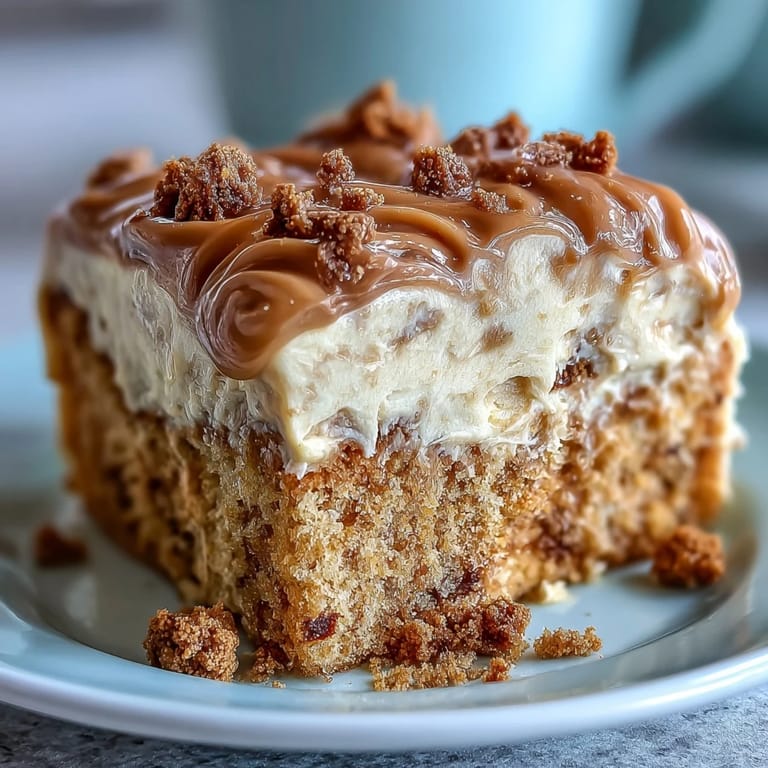
Save The first time I brought this cake to a potluck, someone asked if I'd ordered it from a bakery. I laughed and admitted I'd been elbow-deep in Lotus spread an hour earlier, scraping the bowl clean with my finger when no one was looking. That's the magic of this cake, it tastes indulgent and looks polished, but it's built from pantry staples and a jar of cookie butter. It's become my signature dessert, the one people request by name, and I never get tired of watching someone take that first bite and go quiet for a second.
Storing and Serving
This cake stays incredibly moist at room temperature for up to three days when stored in an airtight container. I like to slice it just before serving and let each piece sit for a few minutes so the frosting softens slightly and the flavors open up. If you're making it ahead, bake the cake and freeze it unfrosted for up to a month, then thaw, frost, and decorate the day you plan to serve it. It pairs beautifully with strong coffee, black tea, or even a glass of cold milk if you're feeling nostalgic.
Customizing the Flavor
I've folded dark chocolate chips into the batter for a richer, more decadent version, and I've also stirred in chopped toasted hazelnuts for extra crunch. If you want a lighter frosting, swap half the butter for cream cheese and reduce the powdered sugar slightly. You can also spike the frosting with a pinch of cinnamon or espresso powder to deepen the spiced caramel notes. Every tweak I've tried has worked, this recipe is forgiving and loves a little creative freedom.
Troubleshooting and Final Touches
If your cake domes in the center, level it with a serrated knife before frosting so the layers sit flat and neat. A cracked top usually means the oven was too hot, so double-check your temperature with an oven thermometer next time. If the frosting feels grainy, it means the powdered sugar wasn't sifted or the butter wasn't soft enough, beat it longer on high speed to smooth it out.
- Use a hot, dry knife to slice clean pieces, wiping it between cuts.
- Drizzle warmed Lotus spread over individual slices for an extra hit of flavor.
- Serve with a dollop of whipped cream if you want to balance the richness.
 Save
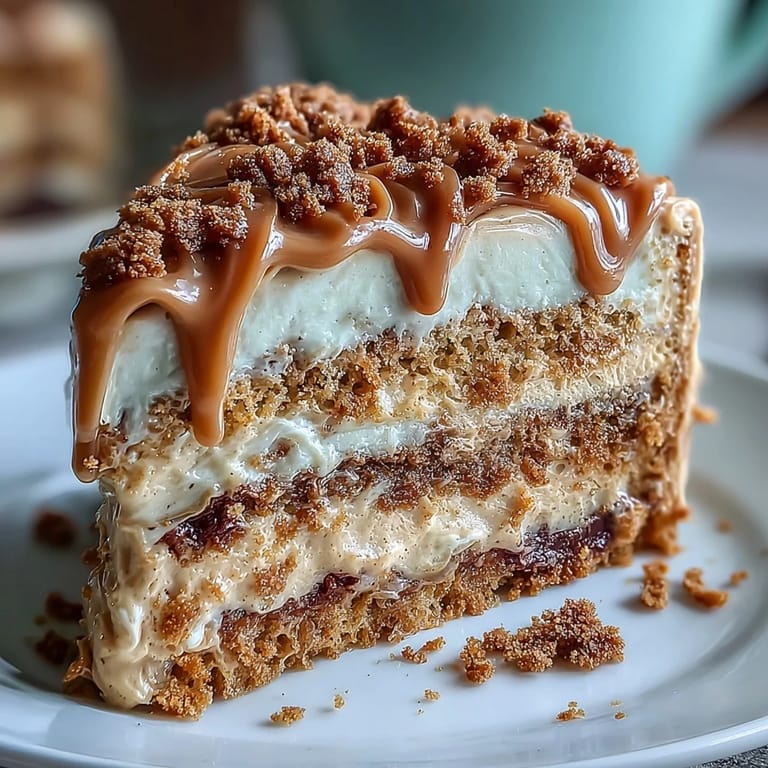
Save This cake has a way of turning an ordinary afternoon into something worth remembering. Bake it once, and you'll understand why I keep a backup jar of Lotus spread in the pantry at all times.
Recipe FAQs
- → What makes Biscoff spread special in this cake?
Lotus Biscoff spread brings distinctive caramelized biscuit flavor with warm spices like cinnamon and nutmeg. Its unique nutty, buttery profile depth that traditional spreads can't match, creating that signature European cookie taste throughout both the sponge and frosting.
- → Can I make this cake ahead of time?
Absolutely—the flavors actually develop beautifully overnight. Bake completely, cool thoroughly, wrap tightly in plastic, and store at room temperature for up to 24 hours before frosting. The frosted cake keeps well in an airtight container for 3 days, maintaining its moist texture and spiced aroma.
- → What's the best way to crush Biscoff biscuits?
Place biscuits in a sealed zip-top bag and crush with a rolling pin for rustic uneven pieces, or pulse briefly in a food processor for finer crumbs. Leave some chunks visible for satisfying crunch throughout the tender sponge. The texture contrast is part of what makes this creation memorable.
- → Why is my frosting too thick or too thin?
Frosting consistency varies with butter temperature and humidity. If too thick, add heavy cream one teaspoon at a time while mixing. If too thin, refrigerate briefly then whip again. The pinch of salt helps balance sweetness and stabilizes the structure for smooth spreading.
- → Can I substitute the Lotus spread?
While nothing replicates Biscoff exactly, you could try speculoos butter or make your own by grinding spiced Belgian biscuits with melted butter. Peanut butter or cookie butter offer different flavor profiles but won't capture that authentic European caramel-spice essence that defines this dessert.
- → How do I know when the cake is done?
Insert a wooden skewer or toothpick into the center—it should emerge clean or with just a few moist crumbs. The edges will pull slightly from the pan, and the top will spring back when gently touched. The spiced aroma will fill your kitchen, another sign it's ready to cool.