 Save
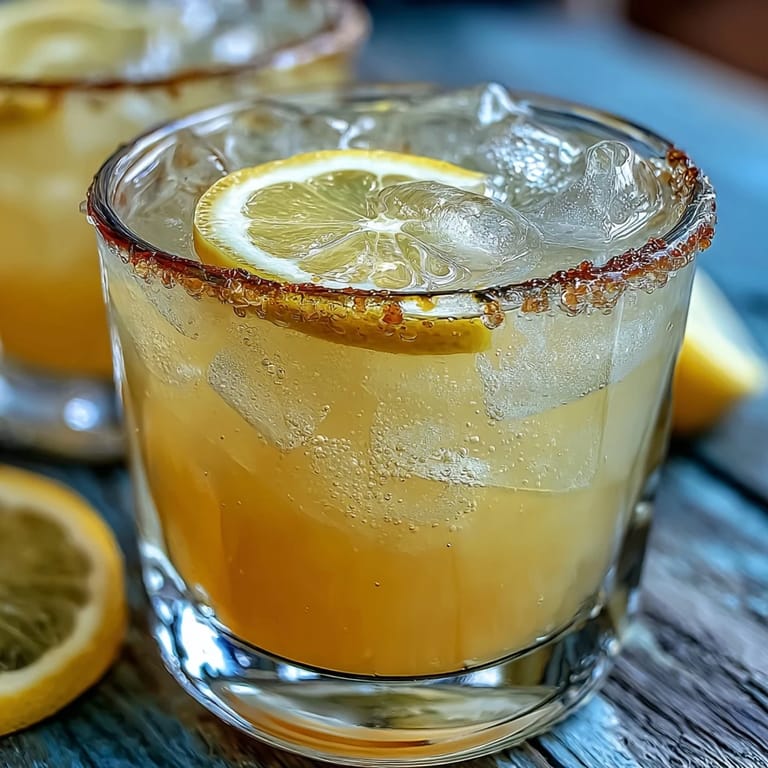
Save The moment I first heard a gentle hiss escape from a jar of homemade fermented lemonade, I was hooked. It wasn't some grand experiment—just a curious urge on a summer afternoon to turn a kitchen staple into something with a little wild sparkle. The transformation from simple lemons and honey into a probiotic sipper felt like a tiny, everyday bit of magic. That heady aroma as the lid eased open, not quite like soda, not like regular lemonade, but alive—that's what draws me back to this recipe. It's a playful drink that rewards patience with every fizzy, tangy sip.
The funniest thing was watching everyone's faces the first time I set out a jar of this at a Sunday brunch. Someone thought I'd brought sparkling wine in disguise, and after the first curious sip, we were all grinning at the tart bubbles and ginger-kissed sweetness. My niece even asked if we could try it with strawberries next time, which became its own new tradition. Now, it's the little clink of ice against glass that reminds me of those easy, lemon-scented mornings. New flavors keep sneaking into the mix, but that original sunny zing never gets old.
Ingredients
- Lemons: Use large, juicy lemons—rolling them on the counter first helps release more juice and mellows out their aroma.
- Filtered water: Chlorine can inhibit fermentation, so I always use filtered water for the cleanest, brightest taste.
- Raw honey: Only unpasteurized honey will kickstart the fermentation process; I've learned the hard way that supermarket stuff just won't fizz.
- Ginger (optional): A couple of slices lend a gentle heat and make the flavor dance.
- Mint (optional): Tucked in at the last second, mint transforms the finish from simple to spa-day.
Tired of Takeout? 🥡
Get 10 meals you can make faster than delivery arrives. Seriously.
One email. No spam. Unsubscribe anytime.
Instructions
- Mix the base:
- Pour fresh lemon juice and filtered water into a large glass jar or pitcher, letting your kitchen fill with citrusy fragrance.
- Sweeten and dissolve:
- Add raw honey and stir until it disappears completely—the warmth of your hands helps coax it into the mix faster.
- Flavor boost (optional):
- If you're feeling adventurous, toss in ginger slices or a sprig of mint and watch the colors swirl.
- Jar it up:
- Transfer the mixture into a clean jar with room at the top so the lemonade can build its bubbles without overflowing.
- Cover and ferment:
- Set the lid on loosely or use an airlock, and tuck the jar somewhere cool and out of sunlight for 2 to 3 days.
- Test for fizz:
- Start tasting after 2 days; the lemonade should be tangy, less sweet, and tingling with natural effervescence.
- Bottle and store:
- When the flavor's just right, pour it into swing-top bottles, seal them, and refrigerate for at least 4 hours to chill and stop the fermentation.
- Serve and sip:
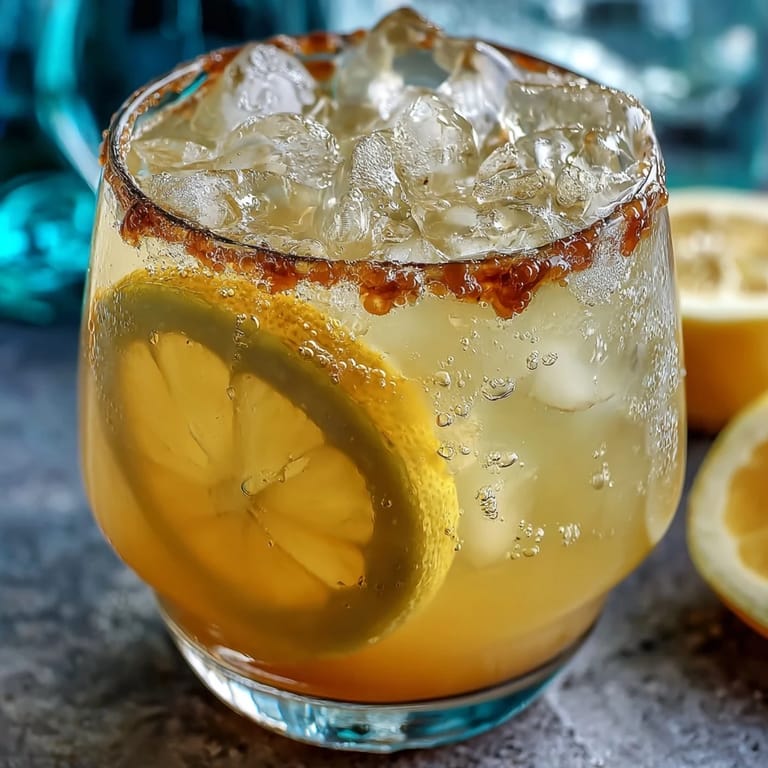
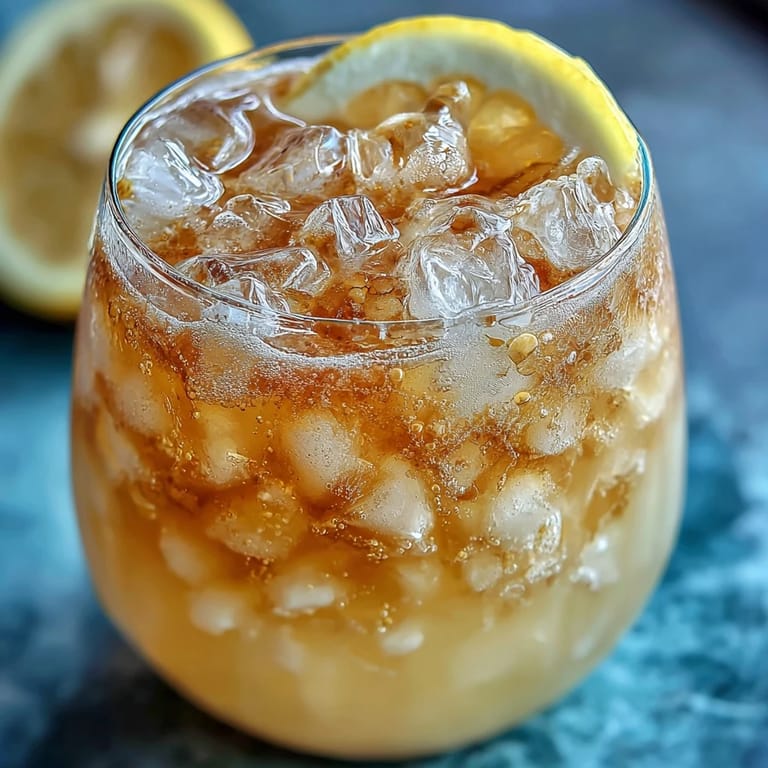
- Pour over ice, listen for that gentle fizz, and enjoy a splash of sunshine in your glass.
 Save
Save The first time a friend called this lemonade 'happiness in a bottle,' I realized it was more than just a drink—it was a little labor of love shared across our table. It has shown me that something as ordinary as lemons can turn any day into a celebration.
How to Tweak the Flavor Every Time
Adding a handful of berries, a stem of basil, or even a pinch of flaky sea salt keeps the recipe fresh every batch. I once tossed in some raspberries right before bottling, and the color turned the whole drink a radiant pink. Lemon balm snuck in one summer, making the whole kitchen smell like a garden after rain. There have been experiments that didn't quite work, but each one taught me a new trick. Trust your nose and your taste buds—they're better guides than any recipe.
Safe Fermenting, Less Fuss
I've learned to always use containers built for a little pressure, especially with natural carbonation or homemade fermentations. A forgotten overfilled jar led to a sticky surprise on more than one occasion. For best safety, never leave glass jars in hot spots or sealed too tightly during the fizz-building stage. I keep cloth covers handy in case I'm short a proper fermentation lid. If it ever smells weird or looks off, don't risk it—just start over and smile.
Kitchen Tools and Storage Tricks
Having a sturdy citrus juicer makes the prep a breeze, and a wide-mouthed glass jar gives plenty of room for easy stirring and flavor additions. I reuse swing-top bottles from store-bought kombucha for reliable, no-leak storage. For cleanup, rinse your bottles and jar with hot water before you start—it keeps things fresh and wards off any stray flavors.
- Label your bottles with the date so you know when it's time to chill or pour.
- When opening a bottle after fermentation, crack it slowly over the sink in case of extra fizz.
- Always sample with clean utensils to keep your batch happy and healthy.
 Save
Save Homemade sparkling lemonade is a little everyday wonder—it's bright, a tad wild, and bound to bring a sparkle to any table. Each sip feels like a reminder that small experiments can be the most rewarding ones.
Recipe FAQs
- → How long should I ferment it for a gentle fizz?
Ferment at room temperature for 2–3 days and taste daily. Two days yields a mild effervescence; extending to 3–4 days increases fizz but requires careful pressure checks.
- → Why use raw honey instead of processed honey?
Raw, unpasteurized honey contains natural yeasts that help produce fermentation and gentle carbonation. Pasteurized honey may lack the necessary microorganisms to start fermentation reliably.
- → How do I safely handle pressure in bottles?
Use sturdy swing-top bottles, leave some headspace, and chill once desired fizz is reached. Open slowly to release built-up gas and burp bottles if fermenting longer to avoid excessive pressure.
- → Can I add other flavors during fermentation?
Yes. Add sliced ginger, mint, berries or a pinch of sea salt to the base before or during fermentation to impart subtle flavor notes. Remove solids before bottling for clarity.
- → How should I store the finished drink?
Refrigerate sealed bottles to slow fermentation and preserve carbonation. Keep chilled and consume within a few weeks for best flavor and fizz.
- → What if the drink tastes too tart or flat?
If too tart, let fermentation slow by refrigerating and serve over ice with a touch more water or a small splash of honey. If flat, allow a bit more warm fermentation time, monitoring pressure carefully.