 Save
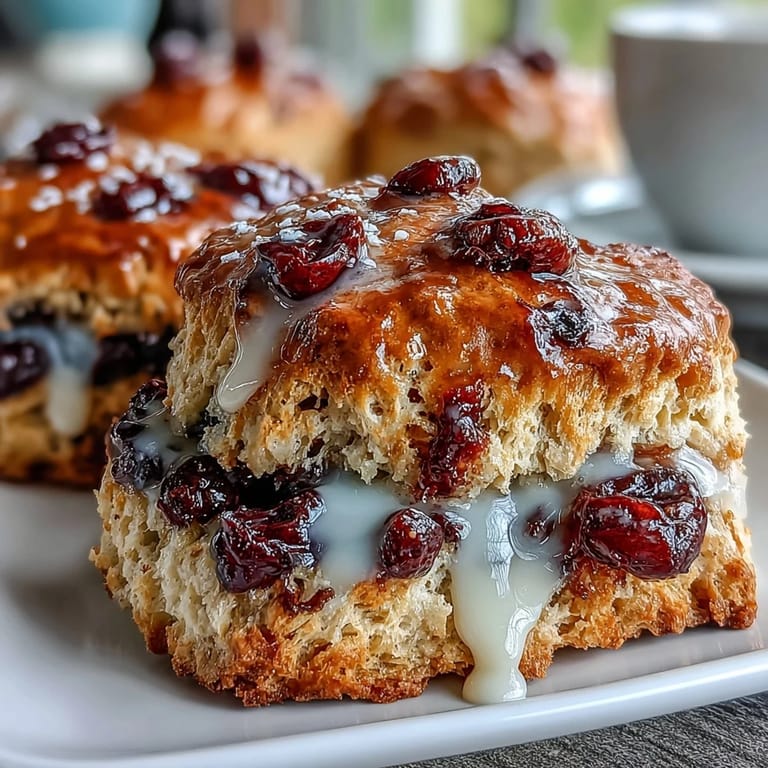
Save Last spring, I found myself with a bowl of sourdough discard that needed rescuing and a pint of blueberries going soft on the counter. Rather than toss them, I thought—why not bake? What emerged from the oven were these tender, crumbly scones with pockets of jammy fruit and this subtle tang that made people ask what made them taste so special. That accident turned into my favorite way to use up starter, and now I make them whenever I need breakfast to feel like an occasion.
I made these for my neighbor one weekend when her daughter came home from college. The way her face lit up when she bit into one—that warm, slightly tangy crumb with the burst of berries—I realized I'd accidentally created something that tastes like homecoming. Now every time I bake a batch, I think about how food does that, turns a Tuesday morning into a moment worth remembering.
Ingredients
- All-purpose flour (2 1/4 cups): This is your structure, so don't sift unless your flour is genuinely clumpy, as overworking it makes tough scones.
- Granulated sugar (1/4 cup): Just enough sweetness to let the fruit and lemon shine without turning these into cake.
- Baking powder and baking soda (1 tablespoon and 1/2 teaspoon): The baking soda reacts with the tang of the sourdough, so don't skip it or swap the amounts.
- Fine sea salt (1/2 teaspoon): Cuts through richness and makes every flavor pop a little louder.
- Lemon zest (from 1 large lemon): Zest while the fruit is still firm, using a microplane if you have one, so you get the oils and not the bitter pith.
- Cold unsalted butter (1/2 cup cubed): This has to be truly cold—straight from the fridge or even the freezer for 10 minutes—so it creates those tender, flaky layers.
- Sourdough discard (1 cup): Room temperature, unfed, at its most neglected state is actually perfect here; it adds tang and moisture without needing to be active.
- Heavy cream (1/4 cup plus brushing): Adds richness and helps bind everything together without making the dough dense.
- Large egg (1): Brings everything together and helps with browning.
- Pure vanilla extract (1 teaspoon): Just a whisper to deepen the flavor complexity.
- Freshly squeezed lemon juice (2 tablespoons): Bottled juice tastes flat in comparison; squeeze it fresh right before mixing.
- Fresh blueberries (1 cup): Frozen works too, and you can fold them straight in from the freezer to prevent that purple dye bleeding everywhere.
- Coarse sugar for topping (2 tablespoons): Creates that jeweled, slightly crunchy finish that makes people think you fussed more than you did.
Tired of Takeout? 🥡
Get 10 meals you can make faster than delivery arrives. Seriously.
One email. No spam. Unsubscribe anytime.
Instructions
- Heat your oven and prep your workspace:
- Set the oven to 400°F and line a baking sheet with parchment paper so nothing sticks and cleanup is blissfully easy.
- Build your dry base:
- Whisk together flour, sugar, baking powder, baking soda, salt, and lemon zest in a large bowl. You'll see those little flecks of yellow dotted throughout—that's where the brightness comes from.
- Cut in the cold butter:
- Add your cold cubed butter and work it in with a pastry blender, or use your fingertips if you prefer getting your hands involved. Stop when it looks like coarse breadcrumbs with some pea-sized bits still visible; this texture is what gives you those flaky layers.
- Mix your wet ingredients separately:
- In another bowl, whisk sourdough discard, cream, egg, vanilla, and lemon juice until completely smooth and combined. This is your binding agent, and mixing it separately prevents overdeveloping the flour.
- Bring it all together:
- Pour the wet mixture into the dry and stir gently with a wooden spoon until just barely combined. The dough should look slightly shaggy, not smooth—overmixing is the enemy of tender scones.
- Fold in the blueberries:
- Use a gentle hand, folding the berries in so they scatter throughout without crushing them or getting the dough stained purple.
- Shape your dough:
- Turn the dough out onto a lightly floured surface and pat it into a circle about 1 inch thick and 7 inches across. Don't knead or overwork it; you want it rustic and slightly uneven.
- Cut and arrange:
- Cut the circle into 8 wedges like a pie and transfer them to your parchment-lined baking sheet, leaving a couple of inches between each one so heat can circulate.
- Add the finishing touch:
- Brush the tops lightly with cream and sprinkle with coarse sugar if you're using it. This creates a subtle crunch and golden glaze as they bake.
- Bake until golden:
- Bake for 18 to 22 minutes, watching until the tops are deep golden brown. They should look set but still tender when you press gently; overbaking dries them out.
- Cool thoughtfully:
- Let them sit on the baking sheet for 5 minutes to set slightly, then transfer to a wire rack. This prevents them from sweating and losing their crispy exterior.
 Save
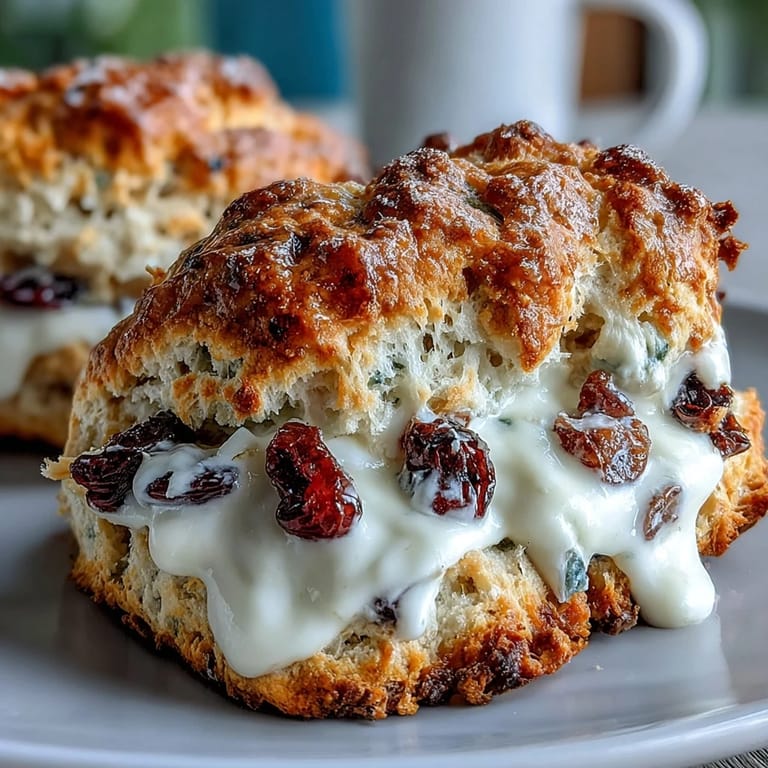
Save There's something about pulling a tray of these scones from the oven on a quiet morning—the way the kitchen fills with lemon and butter and something almost sourdough-like, how my kids appeared from nowhere, drawn by the smell. Those moments reminded me that baking isn't really about precision; it's about creating reasons for people to gather.
The Sourdough Secret
Using sourdough discard here is less about being thrifty and more about flavor. That unfed, neglected starter sitting in your fridge brings a whisper of tang and a little extra moisture that commercial leavening alone can't provide. The baking soda reacts with the acidity to create lift, so you get this light, tender crumb that feels almost custardy inside. I stopped making scones any other way once I realized this.
Lemon Glaze for Extra Brightness
If you want to push the lemon flavor even further, mix about 3/4 cup powdered sugar with 1 to 2 tablespoons of fresh lemon juice until you get a thin, pourable glaze. Drizzle it over the cooled scones and let it set for a few minutes. It transforms them into something that tastes almost like a lemon shortcake, which is not a bad problem to have.
Storage and Keeping Them Fresh
These are absolutely best eaten the day they're made, while the exterior is still slightly crisp and the interior is tender. That said, they keep well in an airtight container for up to 2 days if your life gets in the way of fresh baking. You can also wrap cooled scones individually in plastic wrap and freeze them for up to a month; just thaw at room temperature or warm gently in a 300°F oven for 5 minutes.
- Store in an airtight container on the counter, never in the fridge where they dry out faster.
- If they do lose their crispness, a quick warm-up in a 350°F oven for 8 to 10 minutes brings back some of that texture.
- Leftover scones are surprisingly good crumbled into yogurt or eaten plain with a cup of tea as a quiet afternoon moment.
 Save
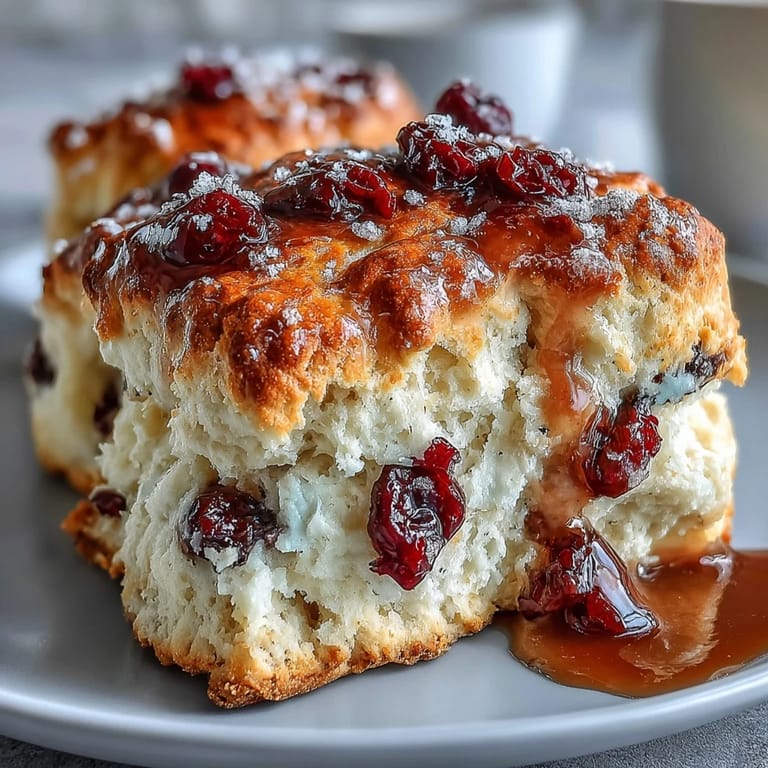
Save These scones became my answer to so many mornings, whether I'm feeding guests or just myself. They're the kind of thing that tastes impressive but never feels like a fuss.
Recipe FAQs
- → Can frozen blueberries be used directly?
Yes, fold frozen blueberries straight from the freezer into the dough to avoid staining and maintain texture.
- → What role does sourdough discard play?
Sourdough discard adds a subtle tangy flavor and helps create a light, flaky crumb in the scones.
- → How should the butter be incorporated?
Use cold, cubed butter and cut it into the dry ingredients until the mixture resembles coarse crumbs for flaky layers.
- → Is it necessary to brush with cream before baking?
Brushing with cream adds a slight sheen and helps the coarse sugar topping adhere and caramelize during baking.
- → Can buttermilk replace the cream?
Yes, substituting buttermilk for cream will give similar moisture with a slight flavor variation.
- → How long do scones stay fresh?
Store in an airtight container for up to two days to maintain freshness and texture.