 Save
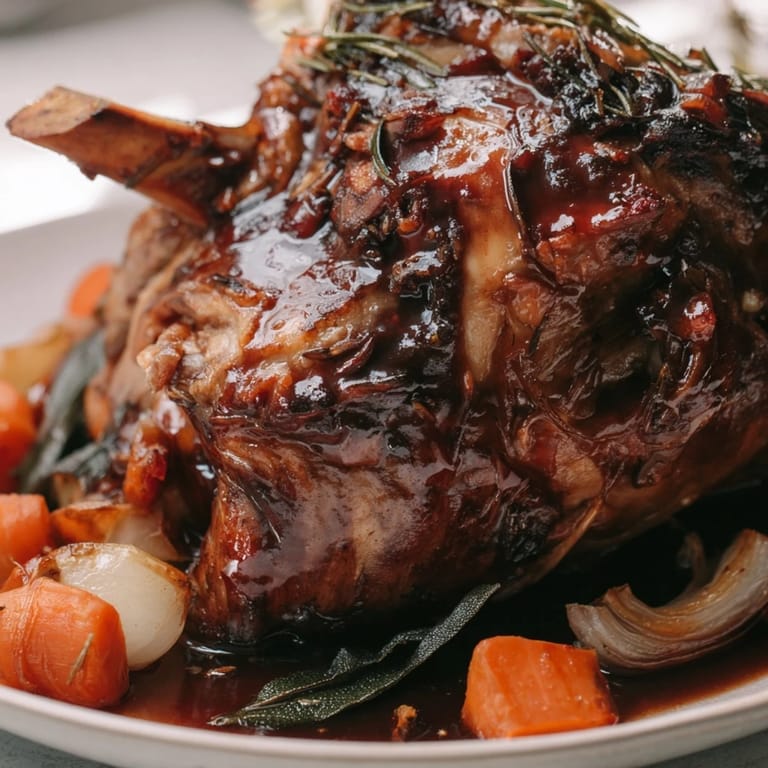
Save The smell hit me before I even opened the oven door—rosemary and red wine swirling together in a cloud so rich it made my neighbor knock and ask what I was cooking. I'd picked up four lamb shanks on a whim at the butcher, thinking I'd try something beyond my usual chicken routine. Three hours later, the meat was so tender it slid off the bone with a spoon, and I realized I'd stumbled onto something worth making again and again.
I made this for a small dinner party once, and my friend who claimed she didn't like lamb asked for the recipe before dessert even arrived. She'd only ever had it cooked fast and chewy, never given the time it needed to transform. Watching her reaction when she took that first bite reminded me why slow cooking exists in the first place.
Ingredients
- Lamb shanks: Look for shanks around 350 to 400 grams each with some marbling, the fat renders down and keeps everything moist during that long roast.
- Carrots and celery: Cut them into big chunks so they hold their shape and soak up all that braising liquid without turning to mush.
- Onion: I slice mine thick because they sweeten as they cook and add body to the sauce at the end.
- Garlic cloves: Smash them with the side of your knife, the skins slip right off and the flavor spreads more evenly.
- Fresh rosemary and thyme: Fresh herbs make all the difference here, dried just doesn't have the same bright, woodsy punch.
- Bay leaves: Toss them in whole and fish them out before serving, they add a subtle background note you'll miss if you skip them.
- Beef or lamb stock: Use a good quality stock if you can, it becomes half the sauce so watery stock means watery flavor.
- Dry red wine: Something you'd actually drink, not cooking wine from a dusty bottle, the flavor concentrates as it simmers.
- Olive oil: Just enough to get a good sear on the meat and soften the vegetables before everything goes into the oven.
- Salt and pepper: Season the shanks generously before searing, that crust locks in flavor and adds depth to the final dish.
Tired of Takeout? 🥡
Get 10 meals you can make faster than delivery arrives. Seriously.
One email. No spam. Unsubscribe anytime.
Instructions
- Preheat and Prep:
- Set your oven to 160 degrees Celsius and pat those lamb shanks completely dry with paper towels. Moisture is the enemy of a good sear, so take an extra moment here and season them all over with salt and pepper.
- Sear the Shanks:
- Heat olive oil in your Dutch oven over medium high heat until it shimmers, then lay the shanks in without crowding. Let them sit undisturbed for a couple minutes per side until they develop a deep brown crust, this step builds the flavor foundation for everything that follows.
- Soften the Vegetables:
- Toss the onions, carrots, celery, and smashed garlic into the same pot with all those browned bits still clinging to the bottom. Stir them around for four or five minutes until they start to soften and smell sweet.
- Nestle and Add Aromatics:
- Return the seared shanks to the pot, tucking them between the vegetables, then scatter the rosemary, thyme, and bay leaves over the top. It should look a little crowded and fragrant.
- Add Liquids and Simmer:
- Pour in the red wine and stock, scraping up any stuck on bits from the bottom with a wooden spoon. Bring everything to a gentle simmer so you see small bubbles breaking the surface.
- Cover and Roast:
- Put the lid on tight or cover with foil, then slide the whole pot into the oven. Let it roast for two and a half to three hours, flipping the shanks once halfway through so they cook evenly and become fall apart tender.
- Rest and Reduce:
- Lift the lamb and vegetables onto a serving platter and let them rest while you skim the fat off the sauce. If the sauce seems thin, simmer it on the stovetop for a few minutes until it coats the back of a spoon.
- Serve:
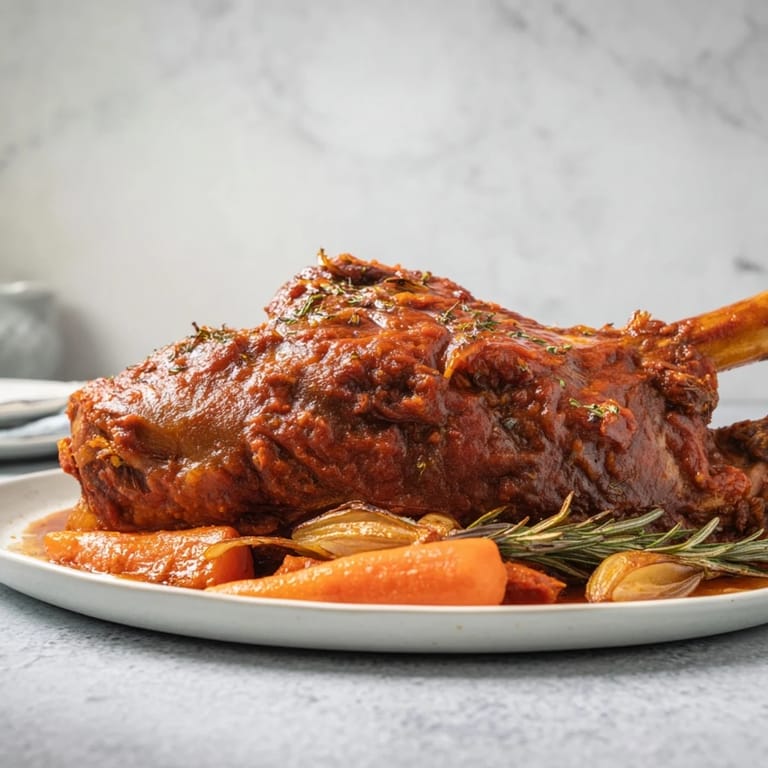
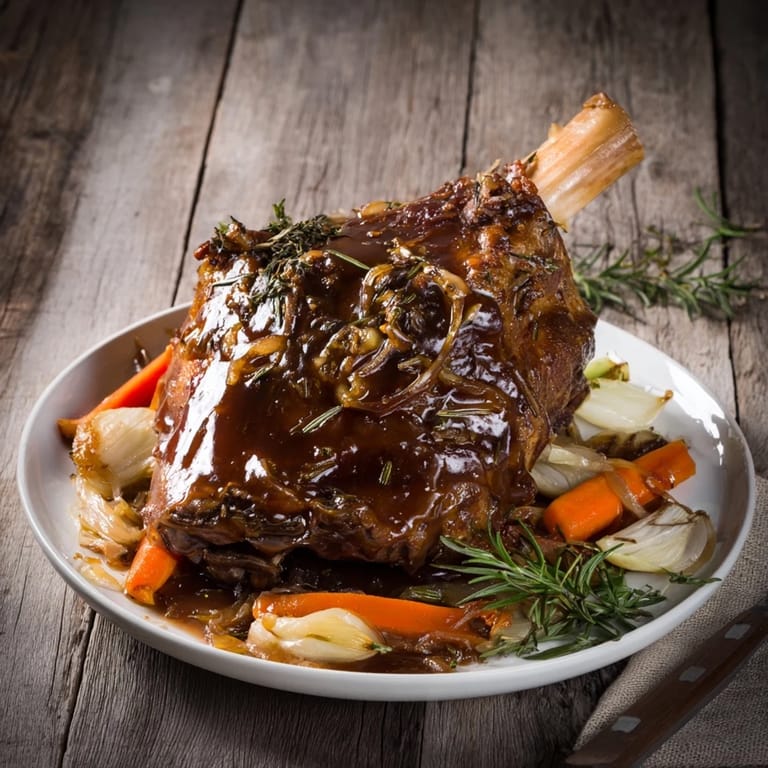
- Spoon that rich, glossy sauce over the shanks and vegetables. Serve hot with something creamy like mashed potatoes or polenta to soak up every drop.
 Save
Save There was a Sunday afternoon when I reheated leftovers and realized the flavors had deepened overnight into something even richer. My partner and I sat at the kitchen counter with forks and a loaf of bread, mopping up every bit of sauce, and it felt like the kind of simple moment that makes cooking worthwhile.
Choosing Your Lamb Shanks
I always ask the butcher for shanks with a good amount of meat still clinging to the bone and a little visible fat. Too lean and they dry out, too fatty and you spend forever skimming grease later. If the shanks are different sizes, just keep an eye on the smaller ones and pull them out earlier if they start to fall apart before the others are ready.
Wine and Stock Choices
I usually grab a bottle of Merlot or Cabernet Sauvignon, something fruity but not too tannic, and pour myself a glass while the pot simmers. The stock matters more than you think, I learned this the hard way with a watery batch that tasted flat no matter how long I reduced it. Homemade is ideal, but a good store bought lamb or beef stock works beautifully if you check the label for actual flavor and low sodium so you can control the seasoning yourself.
Serving and Storage Tips
This dish begs for something creamy and starchy to soak up the sauce, I love it over soft polenta or buttery mashed potatoes. A simple green salad or roasted Brussels sprouts on the side cuts through the richness without competing. Leftovers keep in the fridge for up to three days and reheat gently on the stovetop, just add a splash of stock if the sauce has thickened too much.
- For a brighter finish, grate a little orange zest over the top just before serving.
- A splash of balsamic vinegar stirred into the sauce at the end adds a subtle tang that balances the richness.
- Make this a day ahead if you can, the flavors marry and deepen in a way that feels almost magical.
 Save
Save This is the kind of recipe that makes you look like you spent all day fussing when really you just let time and heat do the work. I hope it fills your kitchen with the same warmth and anticipation it brought to mine.
Recipe FAQs
- → How do I ensure lamb shanks are tender?
Slow roasting at a low temperature for several hours breaks down the connective tissues, making the meat tender and succulent.
- → Can I use fresh herbs other than rosemary?
Yes, thyme and bay leaves enhance the flavor and can be used alongside or instead of rosemary.
- → What is the benefit of searing the lamb shanks before roasting?
Searing caramelizes the surface, adding depth and richness to the final flavor and texture.
- → What sides pair well with slow-roasted lamb shanks?
Creamy mashed potatoes or polenta complement the tender meat and rich sauce beautifully.
- → How can I thicken the sauce after roasting?
Skim excess fat, then simmer the sauce on the stovetop until it reduces to a slightly thickened consistency.