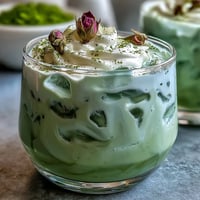
 Save
Save Last winter, a friend handed me a steaming cup of hojicha latte at a tiny café in Tokyo, and I was struck by how it tasted nothing like the bitter green tea I'd expected. Instead, there was this warm, toasted grain sweetness that felt like a hug from the inside out. The milk softened the earthiness into something almost creamy and gentle, and I found myself sipping it slowly, wanting the moment to stretch longer. When I got home, I spent an entire afternoon figuring out how to recreate that exact feeling in my own kitchen.
I made this for my roommate on a gray Tuesday when she seemed overwhelmed by work, and watching her face soften as she took that first sip reminded me that the simplest things can be the most restorative. She asked for the recipe immediately, and now it's become our quiet ritual during difficult weeks.
Ingredients
- Hojicha powder: This roasted green tea is the heart of everything, bringing a subtle nutty depth that's far less astringent than regular matcha, so don't skip the sifting step or you'll end up with grainy clumps.
- Hot water: Keep it around 80°C (175°F) because boiling water can make the powder taste bitter and destroy the delicate roasted flavor.
- Milk: Dairy, oat, soy, or almond all work beautifully, though I find oat milk adds a natural sweetness that feels intentional.
- Sweetener: Honey and maple syrup dissolve more gracefully than sugar, but honestly, taste as you go and trust your instincts.
Tired of Takeout? 🥡
Get 10 meals you can make faster than delivery arrives. Seriously.
One email. No spam. Unsubscribe anytime.
Instructions
- Sift and prepare:
- Run your hojicha powder through a fine mesh sieve into a small bowl, breaking up any stubborn clumps with the back of a spoon. This small act prevents that grainy texture that can surprise you mid-sip.
- Whisk into life:
- Pour the hot water over the sifted powder and whisk vigorously with a bamboo whisk or any small whisk you have, watching as the mixture becomes frothy and aromatic. The whisking is important because it aerates the tea, giving you that traditional silky texture.
- Steam your milk:
- In a saucepan, warm your milk over medium heat until it just begins to steam, which takes about 2 to 3 minutes. You can use a milk frother if you have one, or simply whisk the milk as it heats until it becomes creamy and foamy.
- Build your cup:
- Pour the whisked hojicha into two mugs, adding sweetener if you're using it, and stir until smooth. Slowly pour the steamed milk into each mug, using a spoon to hold back the foam.
- Top with care:
- Spoon the airy foam onto the surface of each latte, and if you're feeling fancy, dust the top with just a whisper of extra hojicha powder. Serve immediately while everything is still warm and the foam is at its peak.
 Save
Save There's something almost ceremonial about making this drink, the way the powder transforms from a dusty green into a rich, frothy liquid. It's taught me that sometimes the most comforting things aren't elaborate—they're just made with intention and a little bit of care.
The Art of Whisking
A bamboo whisk (chasen) will give you the most authentic experience and the silkiest foam, but I've made this successfully with a regular small whisk when that's all I had available. The key is using firm, quick motions, almost like you're incorporating air into the mixture rather than just stirring it together. After you've whisked for about 30 seconds, you should see a light layer of foam forming on top, which is your signal that you've done it right.
Milk Matters
Each type of milk brings its own personality to this drink, and I encourage you to experiment. Oat milk froths beautifully and adds natural sweetness, while almond milk keeps things light, and regular dairy milk creates that classic café-style richness. Plant-based milks also tend to foam more easily than you'd expect, so watch your saucepan carefully to avoid overheating.
Customizing Your Cup
Once you've made this a few times, you'll start noticing what your body and mood are asking for—maybe you want it sweeter on tough days, or maybe you prefer it unsweetened to really taste the roasted grain notes. The beauty of this drink is that it's forgiving and adaptable, so there's no wrong way to make it your own.
- For a vegan version, any plant-based milk works, and maple syrup pairs particularly well with the toasted flavors.
- If you're making this ahead, brew the hojicha base and refrigerate it, then warm and add fresh steamed milk when you're ready to drink.
- An iced version is just as lovely—let everything cool and pour over ice with cold milk for a refreshing afternoon treat.
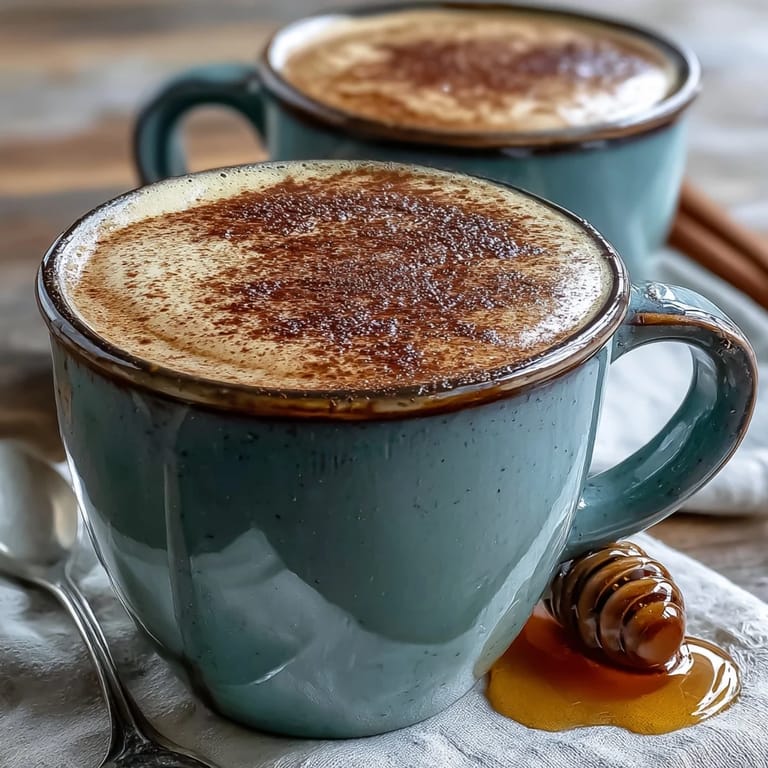 Save
Save This latte has become my answer to needing a moment of peace in a busy day, a small ritual that asks me to slow down and be present. I hope it becomes that for you too.
Recipe FAQs
- → What does hojicha taste like?
Hojicha has a distinctive roasted, nutty flavor with notes of caramel and earthiness. Unlike fresh green tea, it lacks grassy or bitter notes due to the roasting process, resulting in a smooth, mellow taste that pairs beautifully with milk.
- → Is hojicha latte caffeinated?
Yes, hojicha contains caffeine but significantly less than regular green tea or coffee. The roasting process reduces caffeine content, making it a gentler option for afternoon or evening consumption without disrupting sleep.
- → Can I make this iced?
Absolutely. Brew the hojicha concentrate as directed and let it cool completely. Pour over ice and add cold milk, frothing if desired. The iced version is equally refreshing and perfect for warmer weather.
- → What milk works best?
Dairy milk creates the creamiest froth, but oat milk is an excellent plant-based alternative that froths well and complements the roasted tea flavors. Almond, soy, and coconut milk also work, though they may produce less foam.
- → Do I need a bamboo whisk?
A bamboo whisk (chasen) is traditional but not essential. A small regular whisk or even a fork can dissolve the powder effectively. For milk frothing, any handheld frother or vigorous whisking will create the desired creamy texture.