 Save
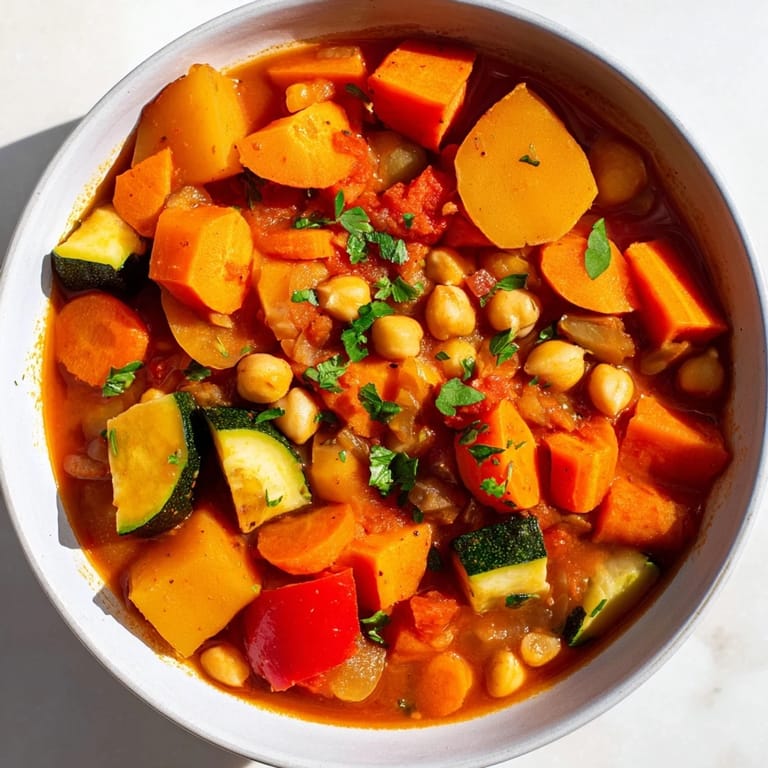
Save There was a Tuesday evening when the kitchen felt too quiet, and I wanted something that would fill the apartment with warmth and color. I opened the pantry to find sweet potatoes, reached for a few cans of beans, and let my hands guide the knife through onions and carrots without thinking too hard about it. What emerged was this stew—earthy, generous, and impossible to eat just one bowl of. It became the dish I made whenever someone needed comfort or when I needed to remember that simple ingredients, treated gently, could become something remarkable.
I made this for my friend Maya on a night when she'd had one of those weeks—the kind where everything feels too much. She sat at my kitchen counter while I stirred the pot, and by the time we ate, the steam rising from her bowl had somehow made the whole evening feel manageable again. She came back three weeks later and asked for the recipe, which meant everything to me.
Ingredients
- Sweet potatoes (2 medium, peeled and diced): They're the soul of this stew, turning creamy as they cook and lending a gentle sweetness that balances the savory broth beautifully.
- Yukon Gold or russet potatoes (2 medium, peeled and diced): These give the stew body and help thicken it naturally as they break down slightly during cooking.
- Carrots (2, sliced): They add brightness and a subtle sweetness that echoes the sweet potatoes without overwhelming them.
- Onion (1 large, diced): This is your foundation—sauté it first until it turns golden and translucent, and the whole dish builds from there.
- Celery stalks (2, sliced): Often overlooked, celery quietly deepens the flavor and adds a gentle herbaceousness that makes the broth taste layered.
- Garlic cloves (3, minced): Fresh is essential here; it wakes up the spices and gives the stew personality.
- Red bell pepper (1, diced): It softens beautifully and adds a pop of color that makes the stew feel alive.
- Zucchini (1, diced): It melts into the broth and keeps the texture varied without weighing anything down.
- Baby spinach (1 cup, optional): Stir it in at the very end so it stays bright and doesn't disappear into the liquid.
- Cannellini or kidney beans (1 can, drained and rinsed): These are the gentle ones, creamy and mild, so they blend into the stew without fighting for attention.
- Chickpeas (1 can, drained and rinsed): They keep their shape and add a heartier bite, making sure each spoonful feels substantial.
- Diced tomatoes (1 can): Always taste your canned tomatoes before committing to the amount of salt; some brands are naturally saltier than others.
- Vegetable broth (4 cups): This is where the magic lives—use a broth you actually like drinking, not the cheapest option.
- Tomato paste (2 tbsp): This concentrates the tomato flavor and adds a subtle depth that plain tomatoes can't quite achieve on their own.
- Smoked paprika (1 tsp): It gives the stew a whisper of smokiness that makes people ask what your secret ingredient is.
- Dried thyme (1 tsp): Thyme is the quiet friend in this stew—you don't notice it immediately, but without it, something essential is missing.
- Ground cumin (1 tsp): A tiny bit goes a long way; it connects all the flavors and adds warmth without announcing itself loudly.
- Black pepper (½ tsp): Freshly ground makes a difference, though I won't judge if you don't have a grinder.
- Salt (1 tsp): Start with this amount and taste as you go; salt is a volume knob, not an on-off switch.
- Bay leaf (1): It floats quietly through the cooking, seasoning everything, and you must remember to fish it out before serving.
- Olive oil (2 tbsp): Don't use the expensive bottle, but don't use the cheapest either—find middle ground.
- Fresh parsley (2 tbsp, chopped, optional): A pinch of green at the end wakes up the whole bowl and makes it feel intentional.
- Lemon wedges (optional): A squeeze of acid cuts through the richness and reminds your palate that you're eating something alive.
Tired of Takeout? 🥡
Get 10 meals you can make faster than delivery arrives. Seriously.
One email. No spam. Unsubscribe anytime.
Instructions
- Build your base:
- Heat the olive oil in a large pot over medium heat until it shimmers slightly. Add your diced onion, celery, and carrot slices, then sauté for about 5 minutes, stirring occasionally, until the onion turns translucent and everything smells inviting—this is your quiet opening act.
- Add the aromatic layers:
- Stir in the minced garlic, red bell pepper, and zucchini, cooking for another 3 minutes until the garlic perfumes the air. You'll notice the vegetables starting to soften at their edges, which is exactly what you want.
- Toast the spices:
- Add the diced sweet potatoes, diced regular potatoes, smoked paprika, thyme, cumin, black pepper, and salt. Stir everything together and let it cook for 2 minutes—this short time toasts the spices and releases their essential oils, transforming them from powder into flavor.
- Build the broth:
- Stir in the tomato paste first, working it around the pan until everything is coated and it deepens in color. Then pour in your canned diced tomatoes, vegetable broth, and bay leaf, stirring until everything is combined and the broth comes to a boil.
- Let time do the work:
- Reduce the heat to low, cover the pot, and simmer for 20 minutes until the potatoes are just tender—you want them yielding but not falling apart. The steam rising from under the lid is doing all the heavy lifting while you step away.
- Bring in the beans:
- Add your drained and rinsed cannellini beans and chickpeas, then simmer uncovered for another 10 to 15 minutes. This time allows the flavors to knit together and the stew to thicken slightly as the potatoes release their starch.
- Finish with brightness:
- If you're using spinach, stir it in now and cook for just 2 minutes until it wilts and turns a deeper green. Taste the stew and adjust the salt and pepper to your liking—this is the moment to be honest about what it needs.
- Release and serve:
- Remove the bay leaf, ladle the stew into bowls, and top with a sprinkle of fresh parsley if you have it. A wedge of lemon on the side lets each person brighten their own bowl to taste.
 Save
Save One rainy afternoon, I made this stew for my mother-in-law, who'd always been skeptical about vegan cooking. She had three bowls and didn't mention the missing meat once, which was its own kind of victory. After that, she asked me to make it for family dinners, and I realized that good food needs no apologies.
Why This Stew Becomes a Weeknight Anchor
There's something about a stew that settles into your weekly rhythm. This one fits naturally into meal prep because it reheats beautifully—the flavors actually deepen overnight in the refrigerator, and a quick warm-up on the stove or in the microwave brings it back to life without losing anything. I've learned to make it on Sunday evening knowing I'll eat well Wednesday too.
Serving Ideas That Feel Natural
The stew stands on its own in a bowl, but pairing it with something adds dimension. Crusty bread is the obvious choice—tear off pieces and use them to soak up the broth at the bottom of your bowl. Rice or farro underneath turns it into something more substantial if you want your dinner to feel heavier. Some evenings I serve it with a simple green salad on the side, just to add crunch and freshness.
Small Adjustments That Make It Yours
This stew is forgiving enough to shift with what you have on hand and what your body needs on any given day. If heat appeals to you, a half-teaspoon of chili flakes stirred in during the spice-toasting step creates a gentle warmth. Swap the beans for lentils if you want something slightly earthier, or use whatever seasonal vegetables are calling to you—summer zucchini, fall butternut squash, winter root vegetables all work. Think of the recipe as a suggestion rather than a law.
- Fresh herbs like cilantro or basil can replace the parsley for a completely different personality.
- A tablespoon of balsamic vinegar at the end adds sweetness and complexity without making the stew taste acidic.
- Coconut milk instead of half the vegetable broth transforms this into something creamier and more tropical.
 Save
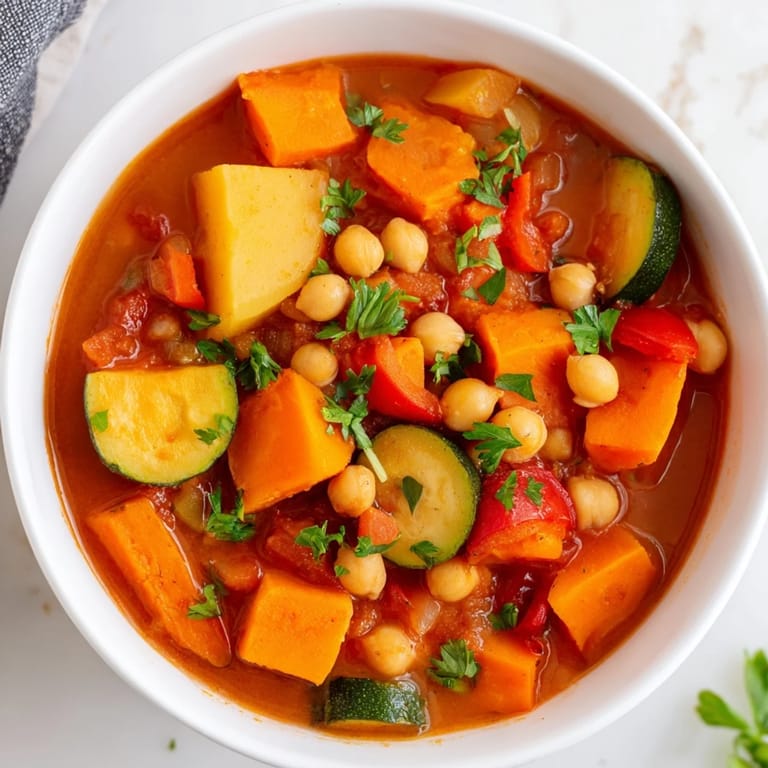
Save This stew has become one of those recipes I reach for when I want to feed someone well without overthinking it. It's nourishing enough to feel like care, simple enough that you're never stressed, and good enough that people come back for more.
Recipe FAQs
- → What vegetables are included in this stew?
Sweet potatoes, Yukon Gold or russet potatoes, carrots, onion, celery, red bell pepper, zucchini, and baby spinach (optional) are used.
- → Which beans complement the flavors best?
Cannellini, kidney beans, or chickpeas provide creamy textures and hearty taste, enhancing the stew’s richness.
- → How long should the stew simmer for best results?
Simmer the potatoes about 20 minutes until tender, then add beans and cook uncovered for another 10–15 minutes to thicken.
- → Can spices be adjusted for more heat?
Yes, adding ½ tsp chili flakes adds a pleasant spiciness without overpowering the flavors.
- → What garnish options enhance this dish?
Chopped fresh parsley and lemon wedges brighten the stew and add fresh, vibrant notes.
- → Is this dish suitable for meal prep?
Absolutely, it stores well and flavors deepen after resting, making it convenient for reheating meals.