 Save
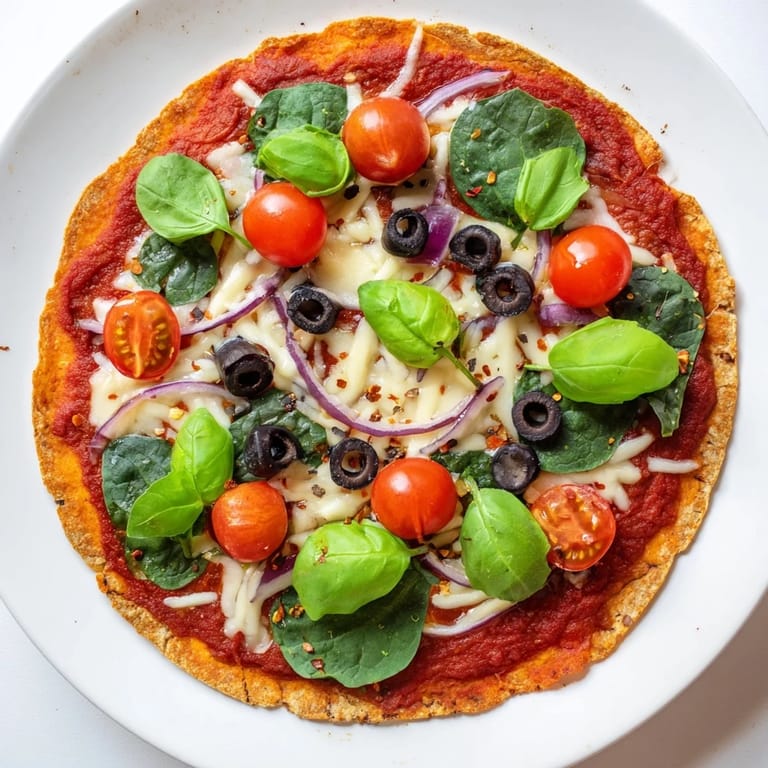
Save One Tuesday night, I had nothing but tortillas and leftover pizza sauce in my fridge, and I was hungry enough to stop waiting for delivery. I brushed those tortillas with olive oil, scattered on some cheese, and slid them into a hot oven without really thinking about what I was doing. Ten minutes later, I pulled out something that tasted nothing like sad leftovers—it had the snap and crackle of real pizza crust, the kind that makes you want to make it again immediately. That's the whole magic of tortilla pizza: it's fast, it's reliable, and it tastes like you planned something clever.
I made this for my roommate when she came home stressed from work, and she sat at the counter eating it straight from the baking sheet while telling me about her day. There's something about putting real food on the table in the time it takes to complain about traffic that changes the whole mood of an evening. That's when I realized this wasn't just a shortcut—it was actually better at some things than the real thing.
Ingredients
- Large flour tortillas (2, about 8–10 inches): These are your foundation, and they matter more than you'd think—thicker tortillas crisp up better than thin ones, and they won't tear when you load them up.
- Tomato sauce or pizza sauce (1/3 cup): Use a sauce you'd actually eat on regular pizza, because there's nowhere to hide a mediocre one here.
- Shredded mozzarella cheese (3/4 cup): Low-moisture mozzarella melts more evenly and crisps at the edges instead of turning into a slick puddle.
- Black olives (1/4 cup, sliced): They add a salty anchor that stops the whole thing from tasting too one-note.
- Cherry tomatoes (1/4 cup, sliced): Fresh tomatoes give you bursts of brightness—canned or roasted won't give you the same textural contrast.
- Red onion (1/4 small, thinly sliced): Raw onion has a bite that mellows just enough in the oven to taste intentional, not raw.
- Baby spinach (1/4 cup): It wilts down to almost nothing, so don't be shy—it adds color and a green note that balances the cheese.
- Dried oregano (1/2 teaspoon): Sprinkle it right before baking so the heat wakes it up and it doesn't taste dusty.
- Extra virgin olive oil (1 tablespoon): This is what turns tortillas into something crispy instead of just warm; don't skip it or use cooking spray instead.
- Red pepper flakes (pinch, optional): A small amount adds heat and keeps people interested in every bite.
- Fresh basil (a few leaves, optional for garnish): Add it after baking so it stays bright green and tastes fresh, not cooked down into the background.
Tired of Takeout? 🥡
Get 10 meals you can make faster than delivery arrives. Seriously.
One email. No spam. Unsubscribe anytime.
Instructions
- Heat your oven and get the sheet ready:
- Preheat to 425°F and let a baking sheet sit inside while it heats up. A hot surface is what makes the bottom crisp instead of staying chewy.
- Oil your tortillas:
- Lay them on parchment paper and brush both sides lightly with olive oil. You want them lightly coated, not swimming in it—think of it like getting them ready to swim, not to drown.
- Spread your sauce:
- Cover each tortilla evenly, leaving about a half-inch at the edges so they have room to crisp up and won't stick. Don't be stingy here, but don't flood it either.
- Add cheese and toppings:
- Scatter the mozzarella first, then layer on olives, tomatoes, onion, spinach, and whatever else you're using. The order doesn't matter much, but cheese on the bottom helps everything stick together.
- Season generously:
- Sprinkle oregano and red pepper flakes right before the oven. This timing means they'll toast slightly and taste sharper and more alive than if they'd been sitting on the cold tortilla.
- Transfer carefully:
- Slide the whole thing onto your hot baking sheet, parchment and all. The parchment protects the bottom and makes cleanup actually bearable.
- Bake until it snaps:
- Eight to ten minutes is usually the sweet spot—you're looking for edges that are golden and the cheese bubbling slightly at the edges. The moment the edges look crispy, you're done; don't wait for the cheese to brown, or you'll lose the snap.
- Finish and serve:
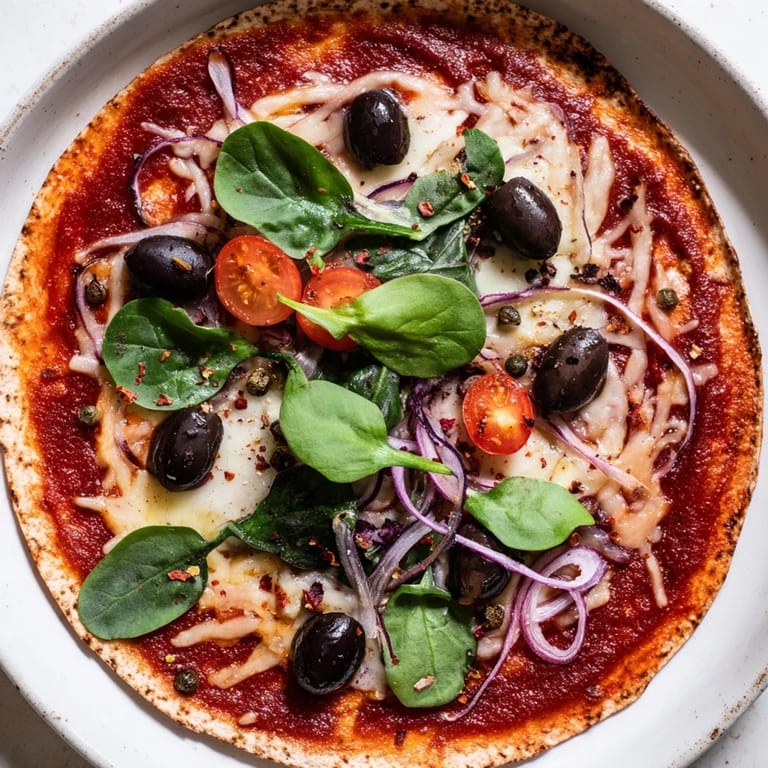
- Let it cool for just a minute so you don't burn your mouth, tear it into pieces with a pizza cutter or knife, add a few fresh basil leaves if you have them, and eat it while it's still hot enough to matter.
 Save
Save One time I made these for my sister, and she took one bite and said, 'This is better than pizza.' I almost argued with her until I realized she was right in her own way—it was crispier, it was ready in minutes, and there was no day-old regret sitting in the fridge. That's when this stopped being a weeknight shortcut and became something I actually wanted to make.
Why This Works Better Than It Should
Most pizza dough takes hours and a whole process, but tortillas are already flat and ready to be shaped by heat. The high oven temperature essentially flash-bakes the bottom while the cheese melts on top, so you get that contrast between crispy and melty that pizza is all about—just in a fraction of the time. The parchment paper is doing the real work here; it lets moisture escape from the bottom without letting the tortilla stick or burn, which is the whole challenge with baking something thin and flat.
Building Flavor Layers Without Fancy Ingredients
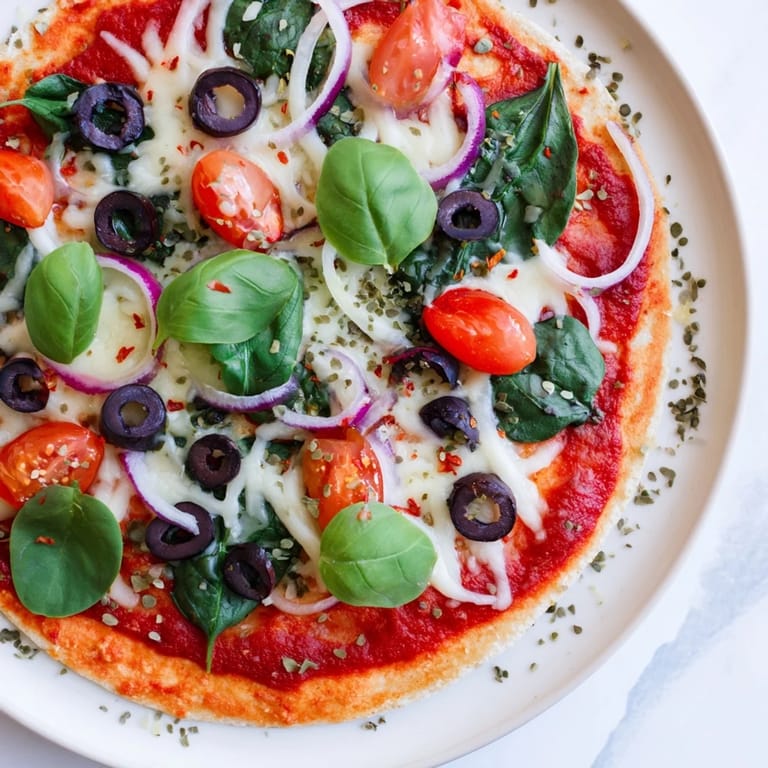
The thing that surprised me was how much texture matters when you're working with such a simple base. Raw onion brings sharpness, fresh tomatoes bring acidity, olives bring salt, spinach brings color, and oregano brings warmth—none of them are fancy, but together they make the dish feel complete instead of like a naked tortilla with cheese on it. If you're tempted to skip the toppings to save time, don't; they're what makes this feel intentional rather than lazy.
Customizing Without Losing the Plot
I've made these with roasted vegetables, with pepperoni, with caramelized onions left over from something else—and they've all worked because the foundation is solid. The only rule is to not overload it; if your toppings are piling up higher than the cheese, you'll end up with something that cooks unevenly and falls apart when you try to pick it up. Keep it reasonable and you can improvise without thinking too hard about it.
- Leftover roasted vegetables work better than raw ones since they won't release water during baking.
- If you're adding anything wet like fresh mozzarella or fresh tomatoes, pat them dry first so they don't make the bottom soggy.
- Save fresh herbs for after baking so they stay bright instead of turning dark and tired.
 Save
Save This is the kind of recipe that quietly becomes a regular thing, not because it's complicated or special, but because it works every time and tastes genuinely good. Once you've made it, you'll keep finding reasons to make it again.
Recipe FAQs
- → How do I achieve a crispy tortilla base?
Brush both sides of the tortilla lightly with olive oil and bake on a preheated baking sheet at 425°F until golden and crisp.
- → Can I use gluten-free tortillas?
Yes, gluten-free tortillas work well; simply adjust baking time as needed for crispiness.
- → What toppings complement this dish?
Olives, cherry tomatoes, red onion, spinach, and fresh basil add balanced flavors and color.
- → Is it possible to prepare this ahead of time?
You can assemble the tortillas in advance and refrigerate; bake just before serving for best texture.
- → How can I add extra flavor?
Sprinkle dried oregano and a pinch of red pepper flakes before baking, and finish with fresh basil leaves.